Directory
Philosophers
From Socrates and the Cynics to Marcus Aurelius, and the ancient critics and later readers who shaped how the Stoics are known.
Who taught whom
Teaching links follow the ancient biographical tradition, which is not always reliable for the earliest figures. Influence links mark documented reading or explicit debt, not teaching.
The lineage as a list
- Socrates taught Antisthenes
- Antisthenes taught Diogenes of Sinope
- Diogenes of Sinope taught Crates of Thebes
- Crates of Thebes taught Zeno of Citium
- Stilpo taught Zeno of Citium
- Zeno of Citium taught Cleanthes, Aristo of Chios, Persaeus, Herillus and Sphaerus
- Cleanthes taught Chrysippus and Sphaerus
- Chrysippus taught Diogenes of Babylon
- Diogenes of Babylon taught Antipater of Tarsus and Panaetius
- Antipater of Tarsus taught Panaetius
- Panaetius taught Posidonius
- Posidonius taught Cicero
- Cornutus taught Persius
- Musonius Rufus taught Epictetus
- Epictetus taught Arrian
- Junius Rusticus taught Marcus Aurelius
Precursors
Socrates and the Cynics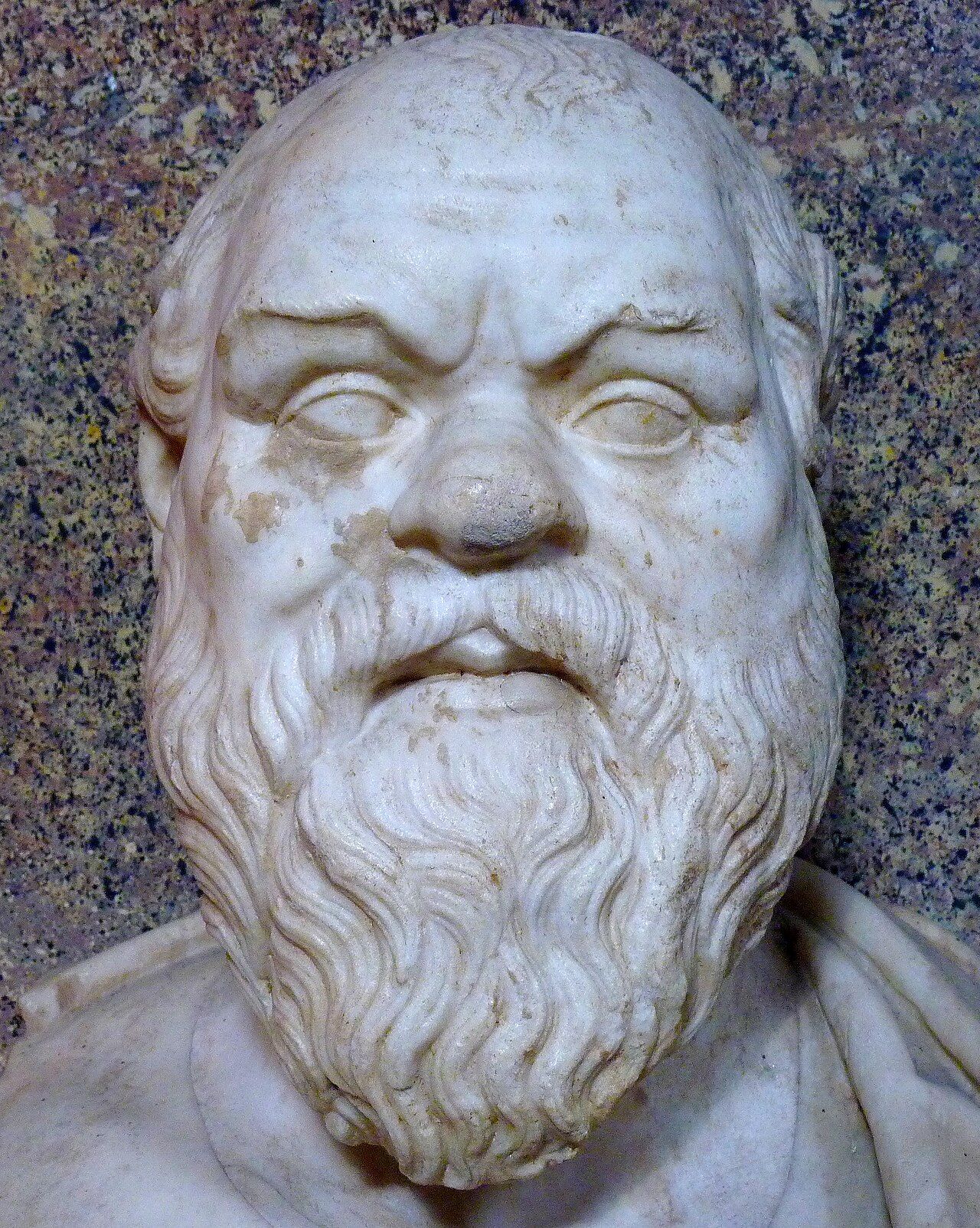
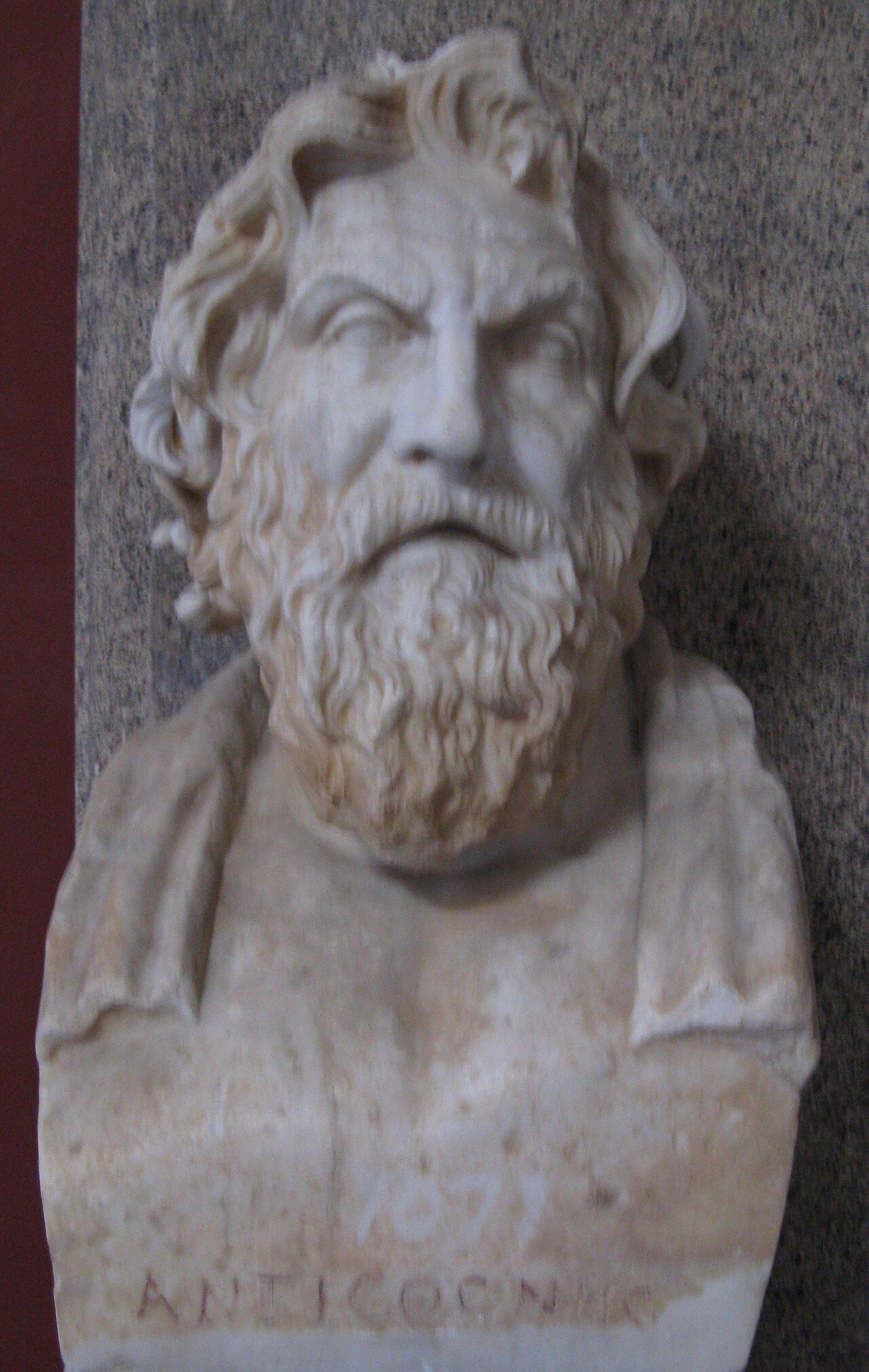
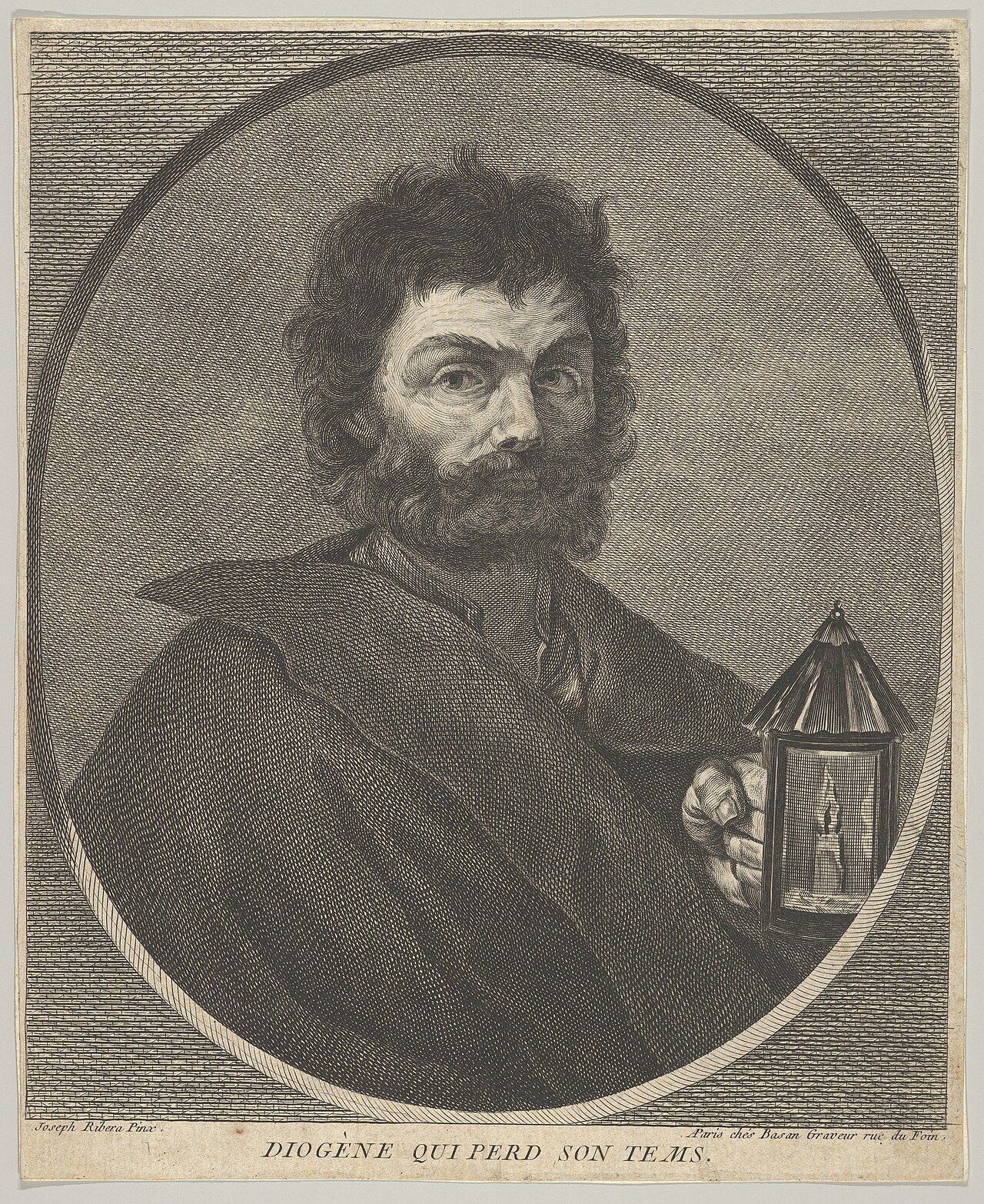
- Crates of Thebesc. 365 – c. 285 BCCynic philosopher who gave away a large fortune to live as a beggar-philosopher, and Zeno's first teacher in Athens.
- Stilpoc. 360 – c. 280 BCPhilosopher of the Megarian school, famous for his self-sufficiency; one of Zeno's teachers.
Early Stoa
Athens, c. 300–130 BC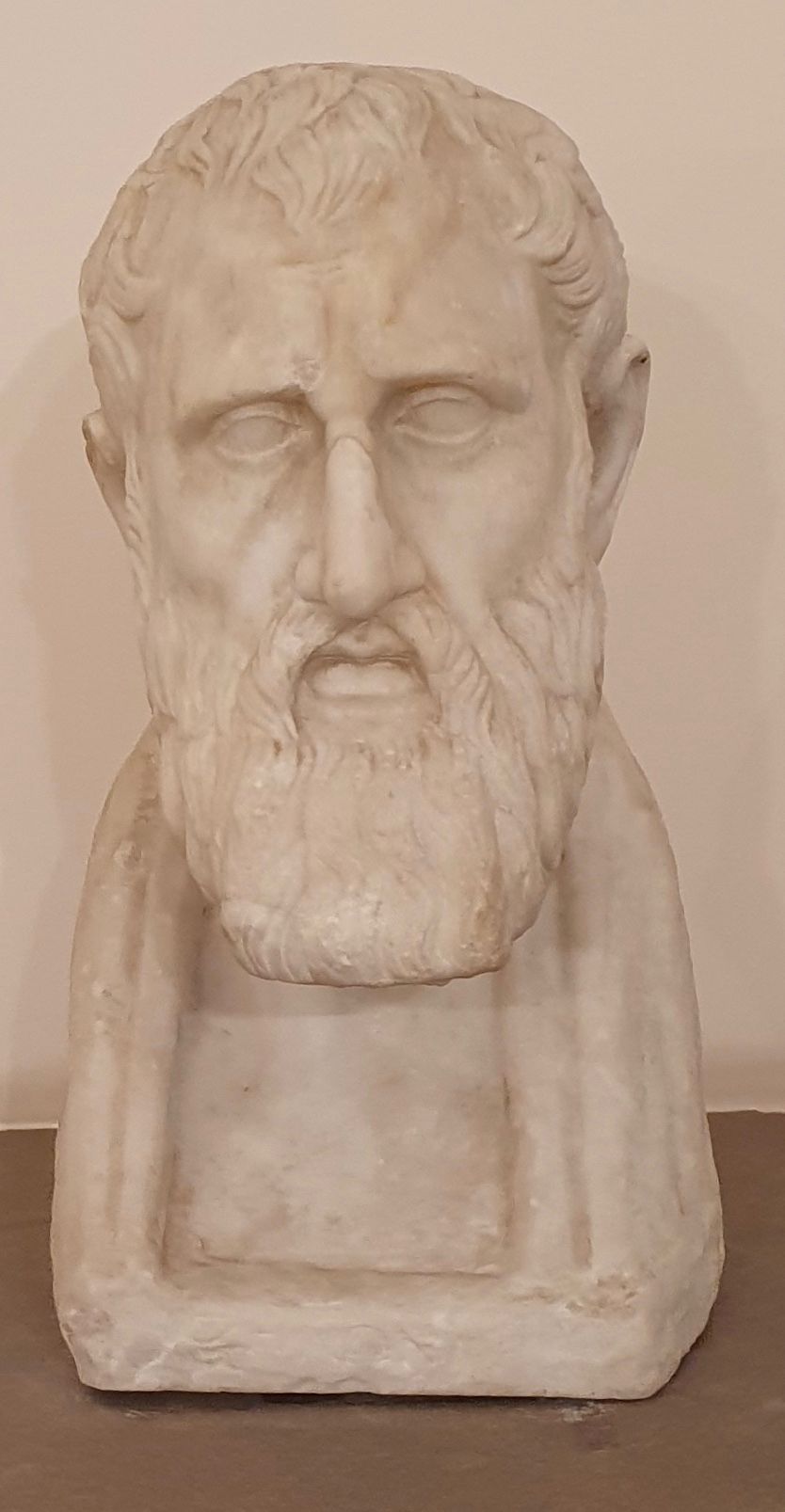
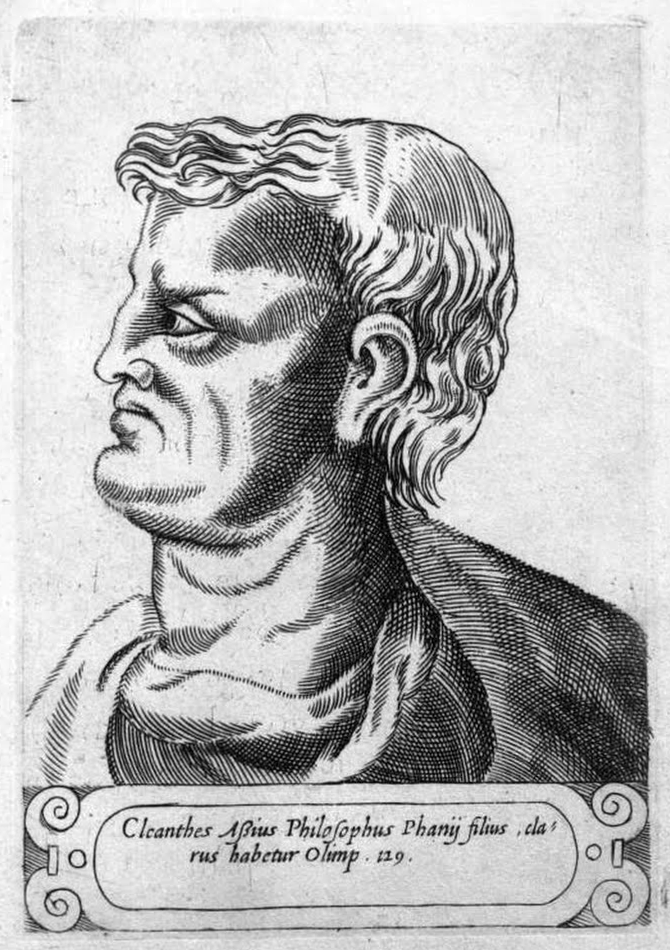
- Aristo of Chiosborn c. 320 BCUnorthodox pupil of Zeno who rejected logic and physics and denied any difference in value among indifferent things.
- Persaeusc. 306 – 243 BCZeno's fellow citizen and housemate, who went to the Macedonian court and died defending Corinth.
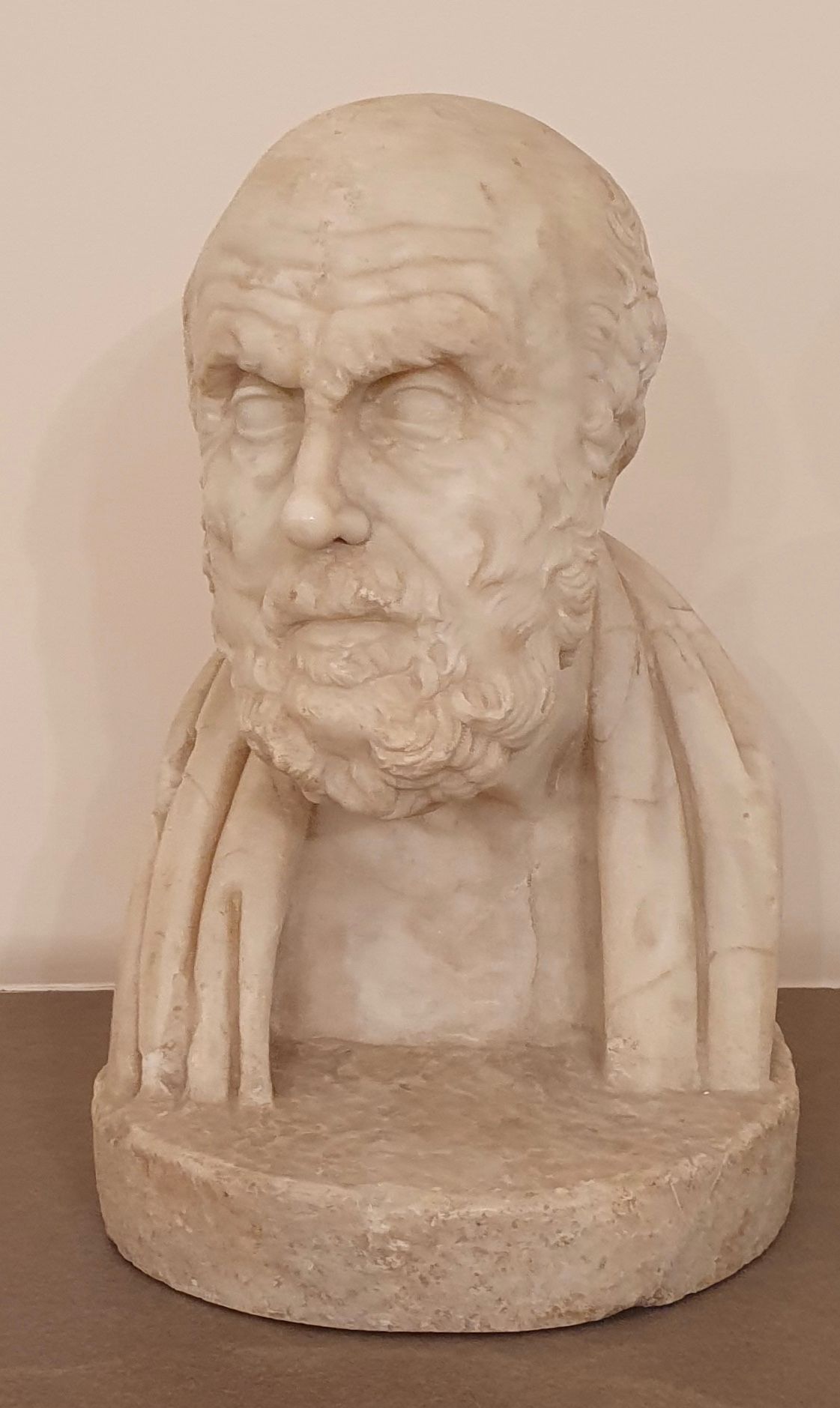
- HerillusPupil of Zeno from Carthage who made knowledge, rather than virtue, the goal of life.
- SphaerusStoic from the Black Sea coast who studied with Zeno and Cleanthes and advised kings in Sparta and Egypt.
- Diogenes of Babylonc. 230 – c. 150 BCHead of the Stoa in the mid-second century BC who took Stoicism to Rome on the famous embassy of 155 BC.
- Antipater of Tarsusdied c. 130 BCDiogenes of Babylon's successor, who defended Stoicism against Carneades and argued with his teacher about honest dealing.
Middle Stoa
Rhodes and Rome, c. 130–50 BC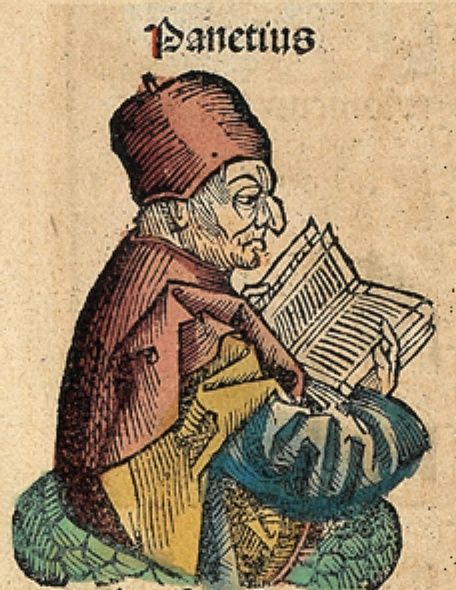
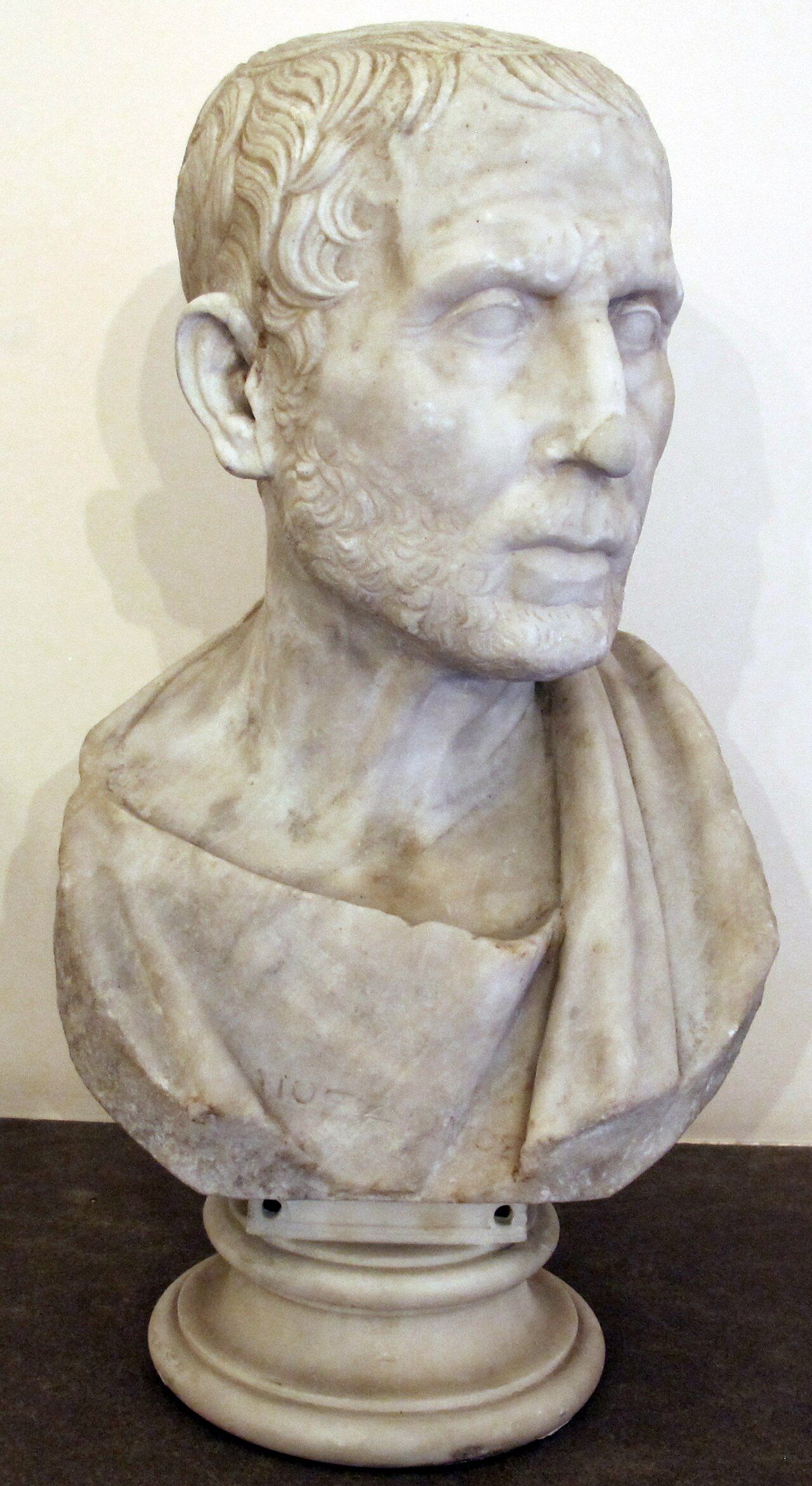
Roman Stoa
1st–2nd centuries AD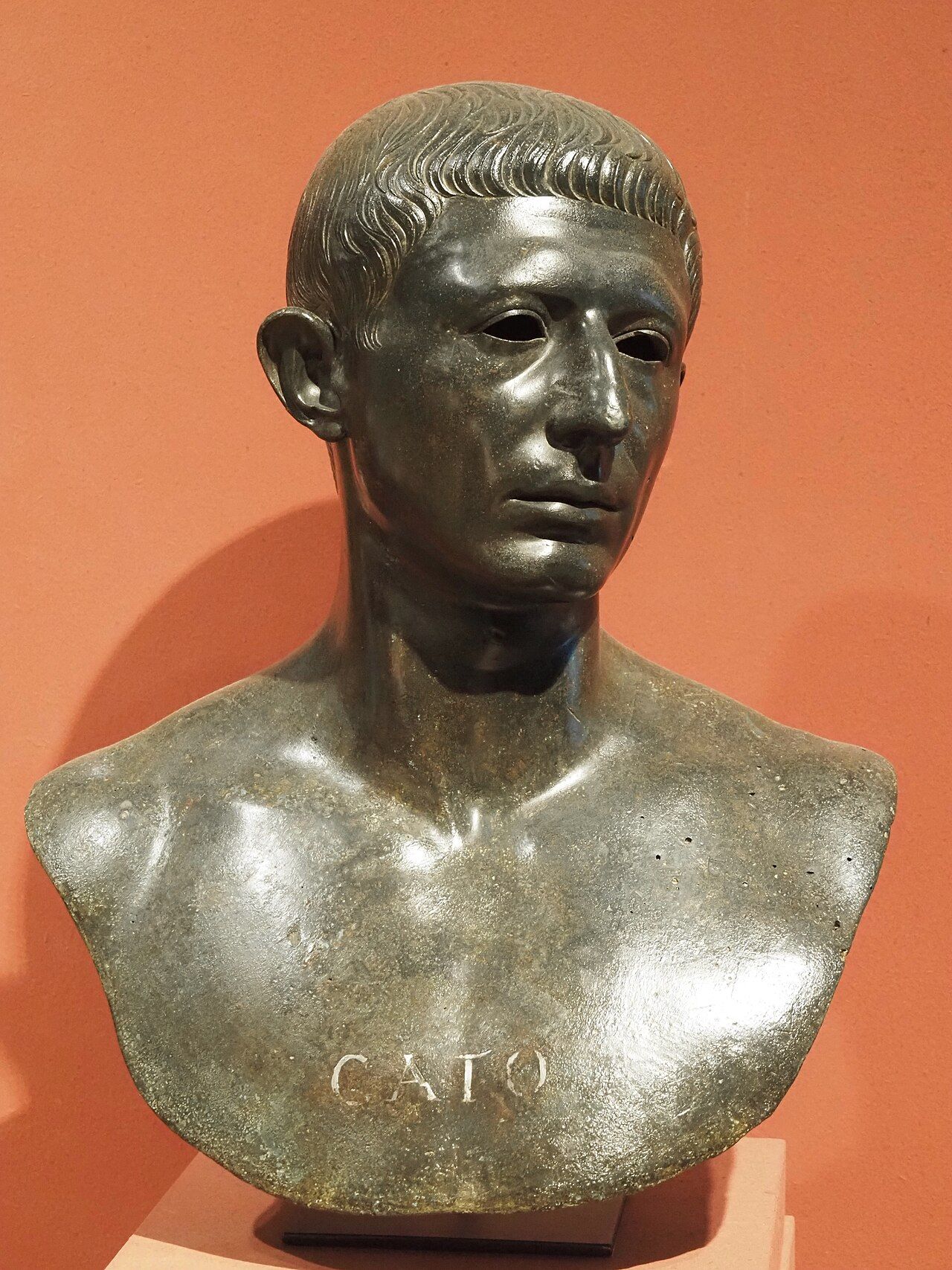
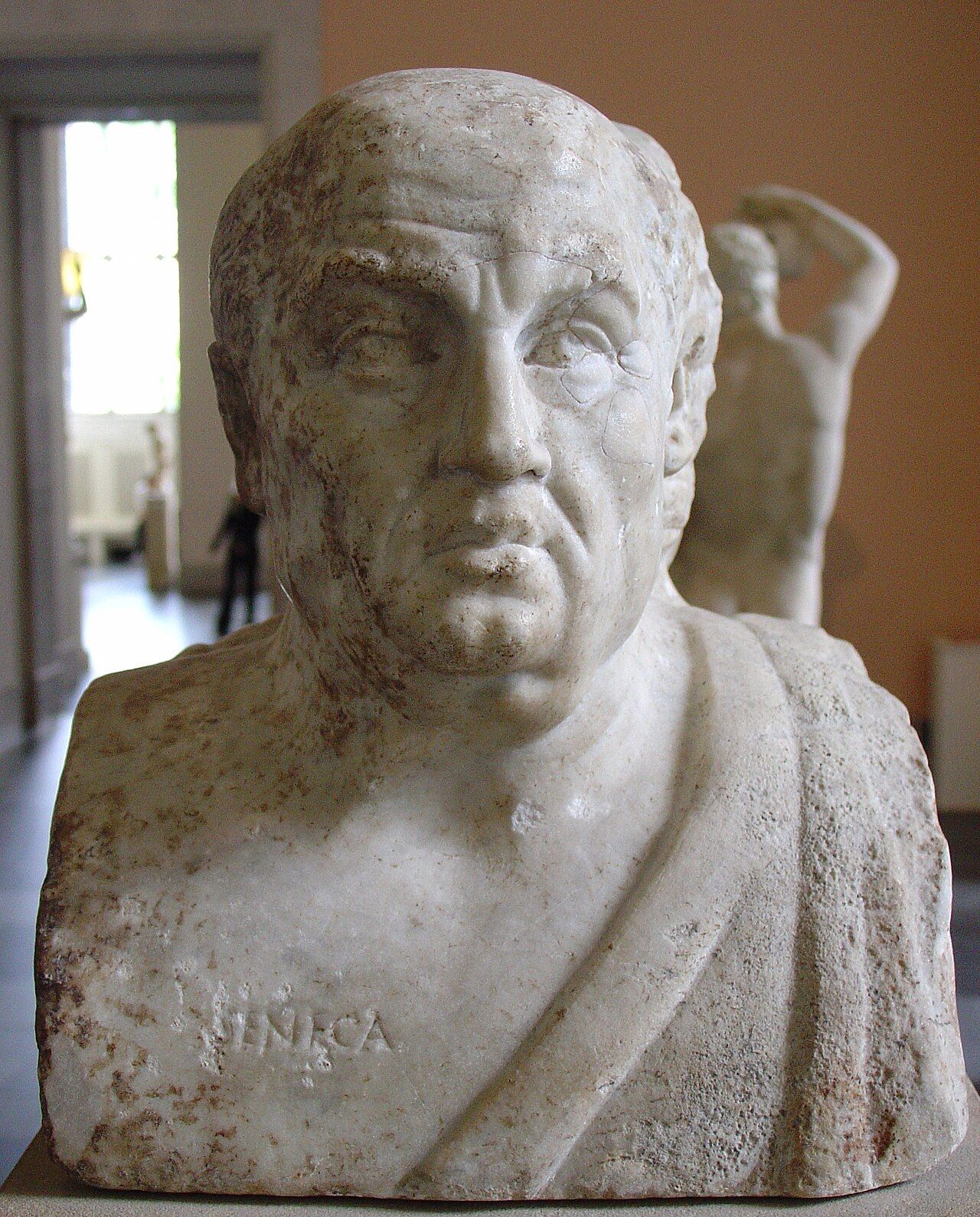
- Thrasea Paetusdied AD 66Senator whose principled opposition to Nero made him a leader of the Stoic opposition; forced to die in AD 66.
- CornutusStoic teacher in Nero's Rome, teacher of the poets Persius and Lucan, and author of a surviving handbook of Greek theology.
- Helvidius Priscusdied c. AD 75Senator and son-in-law of Thrasea Paetus who defied Vespasian and was exiled and executed.
- Musonius Rufusc. AD 25 – before AD 101Roman Stoic teacher, exiled more than once, whose lectures on practical ethics survive in Greek summaries; Epictetus' teacher.
- PersiusAD 34 – AD 62Roman satirist and pupil of the Stoic Cornutus, whose six satires apply Stoic ethics to Roman life.
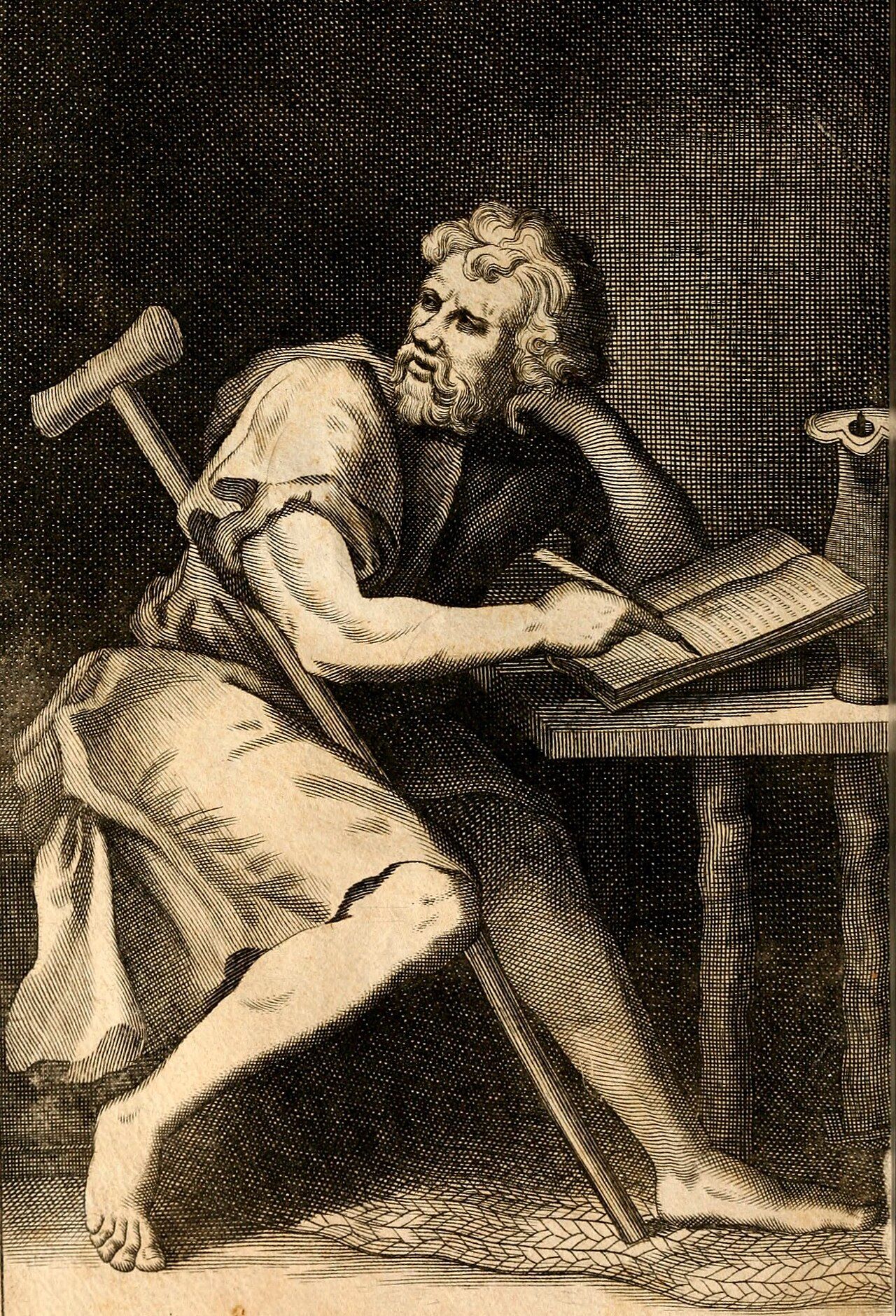
- Arrianc. AD 86 – after AD 145Greek historian and Roman governor who, as a student, recorded Epictetus' teaching in the Discourses and the Enchiridion.
- Junius Rusticusc. AD 100 – c. AD 170Stoic statesman and Marcus Aurelius' most important philosophical teacher, who introduced him to Epictetus.
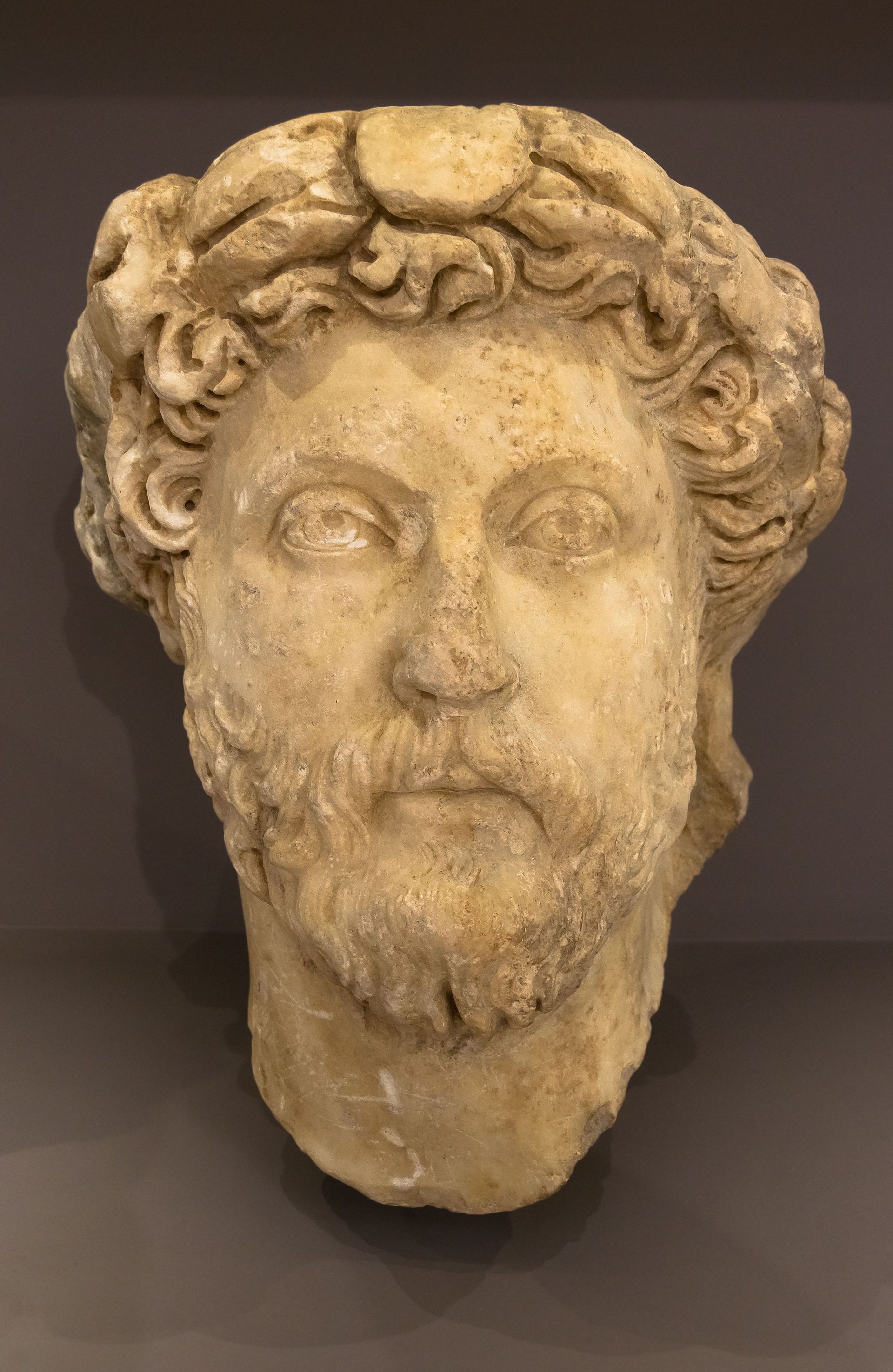
- HieroclesStoic of the second century AD known for his account of oikeiôsis and the image of concentric circles of concern.
Sources & reception
Ancient critics and biographers, early modern readers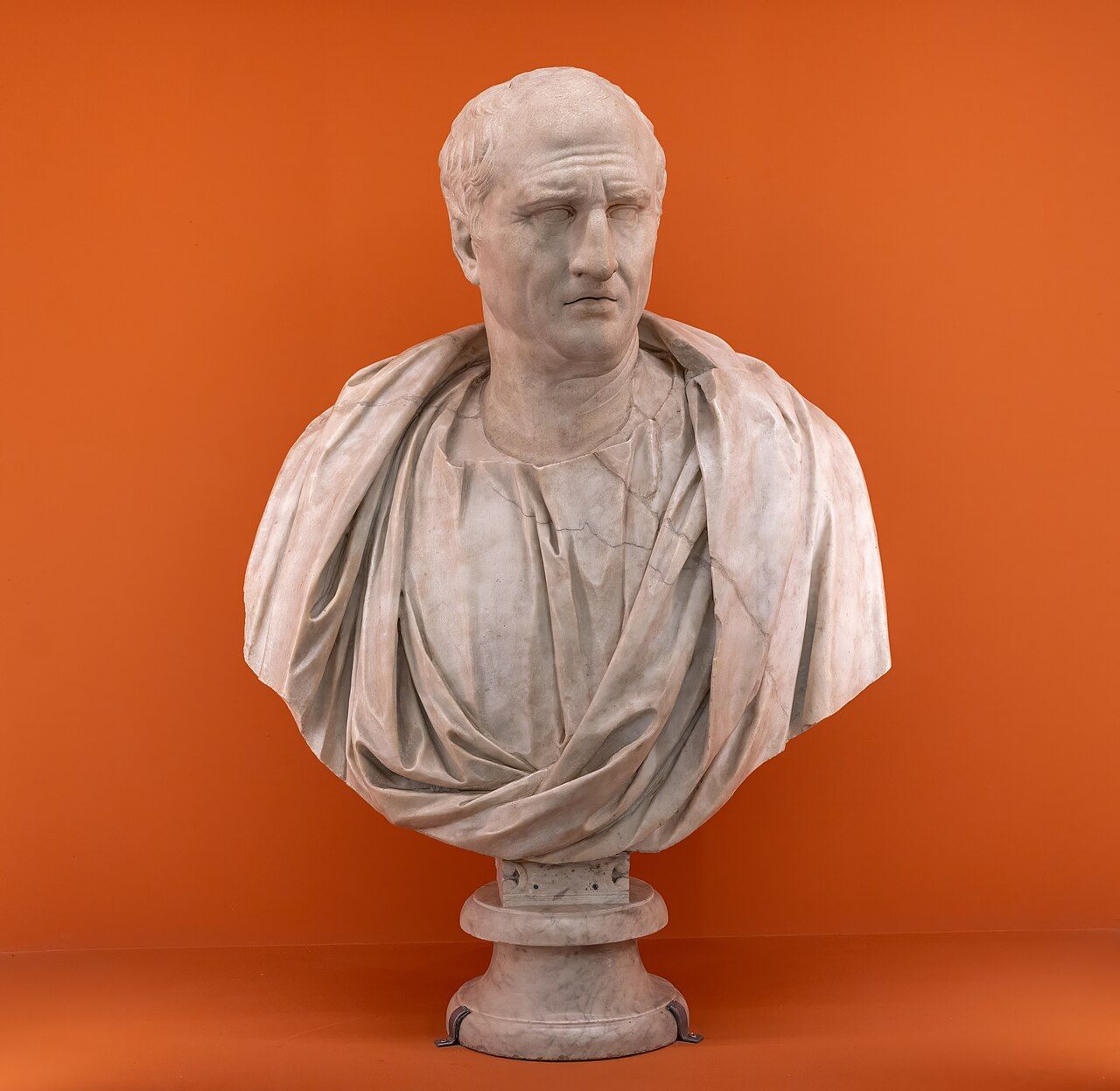
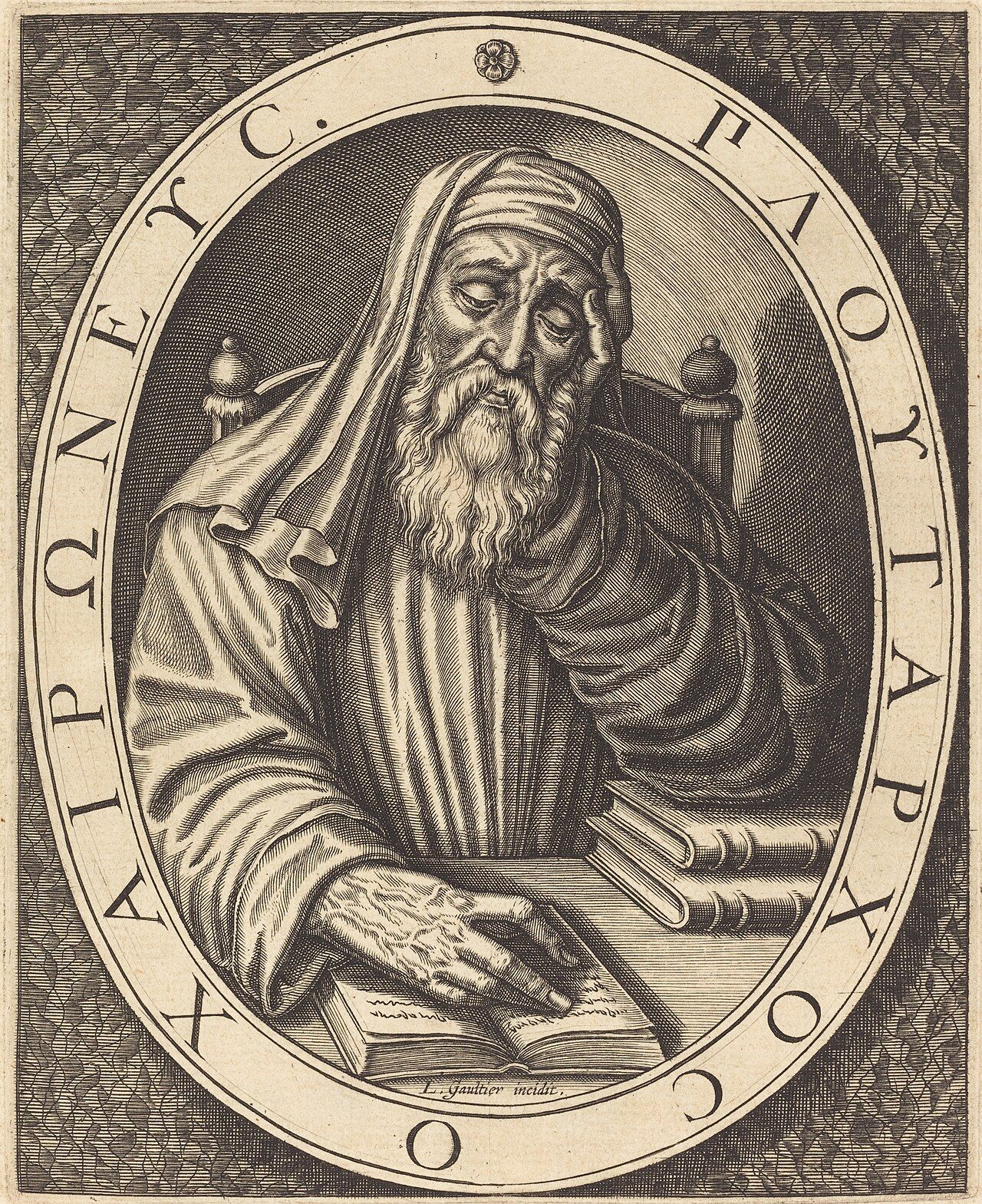
- Tacitusc. AD 56 – c. AD 120Roman historian whose Annals record the death of Seneca and the Stoic opposition to the emperors.
- Aulus Gelliusc. AD 125 – after AD 180Roman author of the Attic Nights, a miscellany that preserves otherwise lost Stoic material, including a fragment of Epictetus.
- Diogenes Laërtiusfl. 3rd century ADBiographer of the Greek philosophers. His Book VII is the main surviving account of the early Stoics.
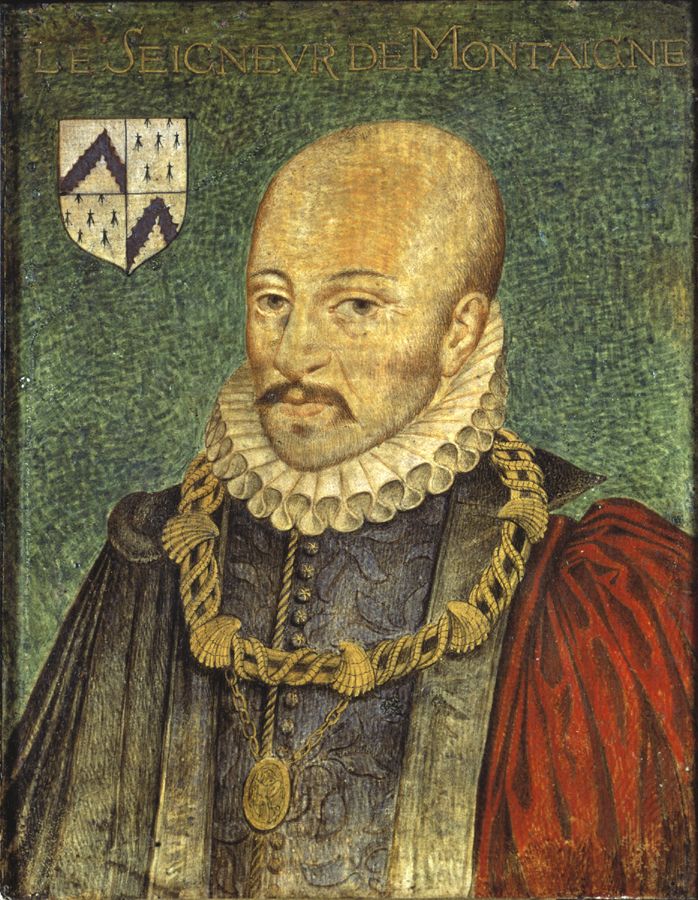
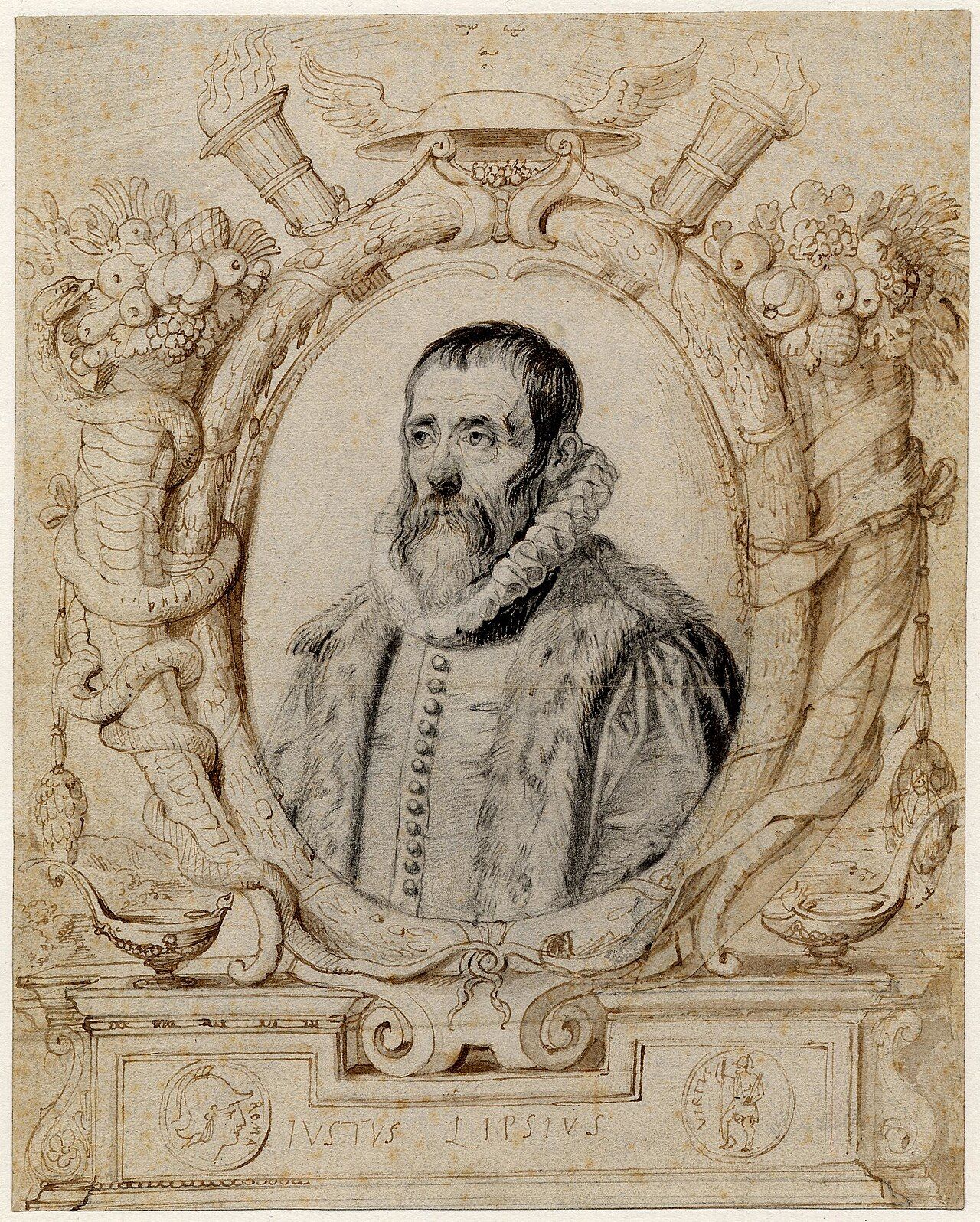
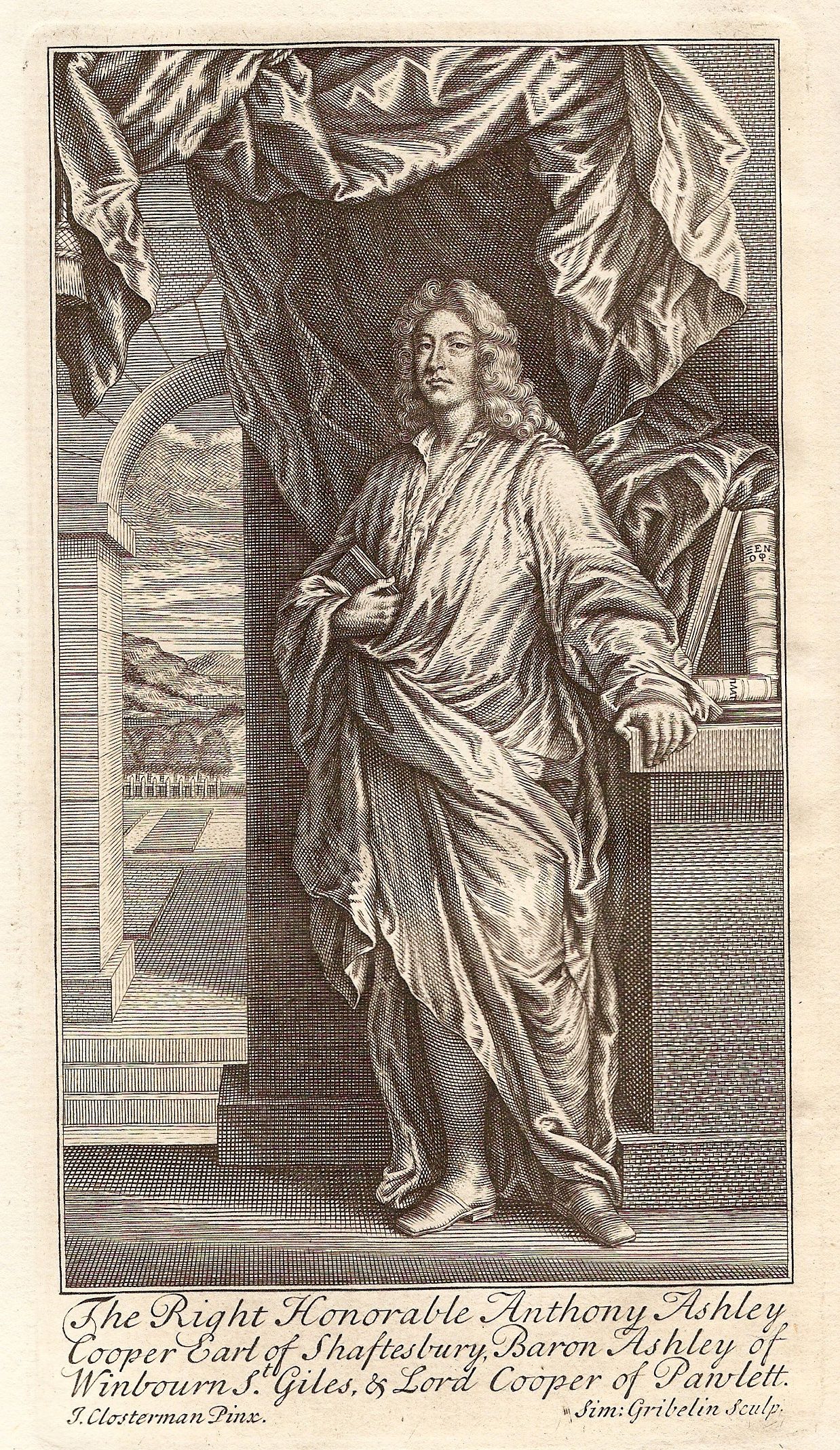
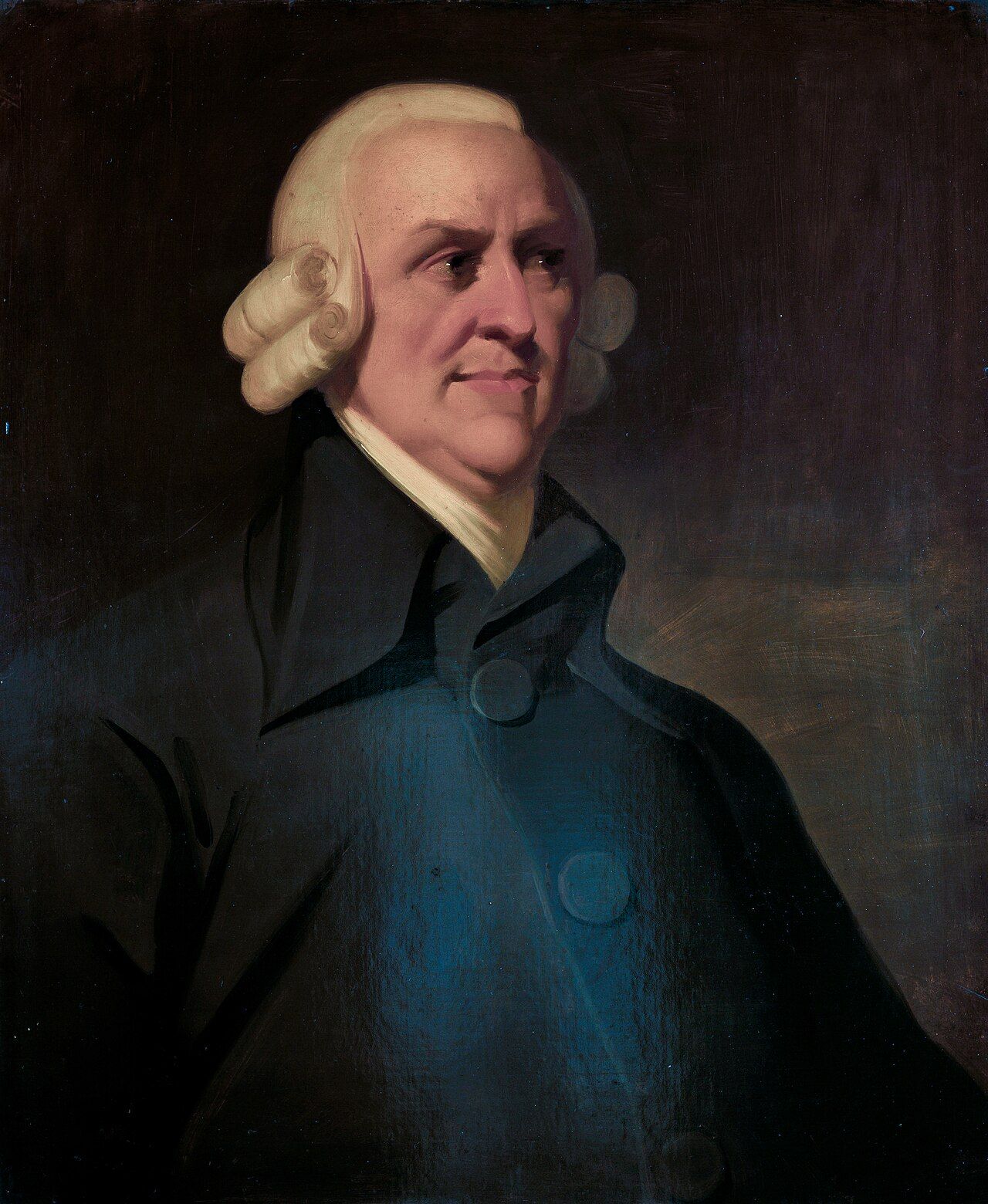
Portraits are from Wikimedia Commons. Several are imagined likenesses made centuries later; each profile names the work and its licence, and all are listed under image credits.