Sources
Image credits
Every image on the site comes from Wikimedia Commons. Licences and authors are taken from each file's Commons record, not typed by hand.
28 images · 12 public domain · 7 CC0 · 2 CC BY · 7 CC BY-SA
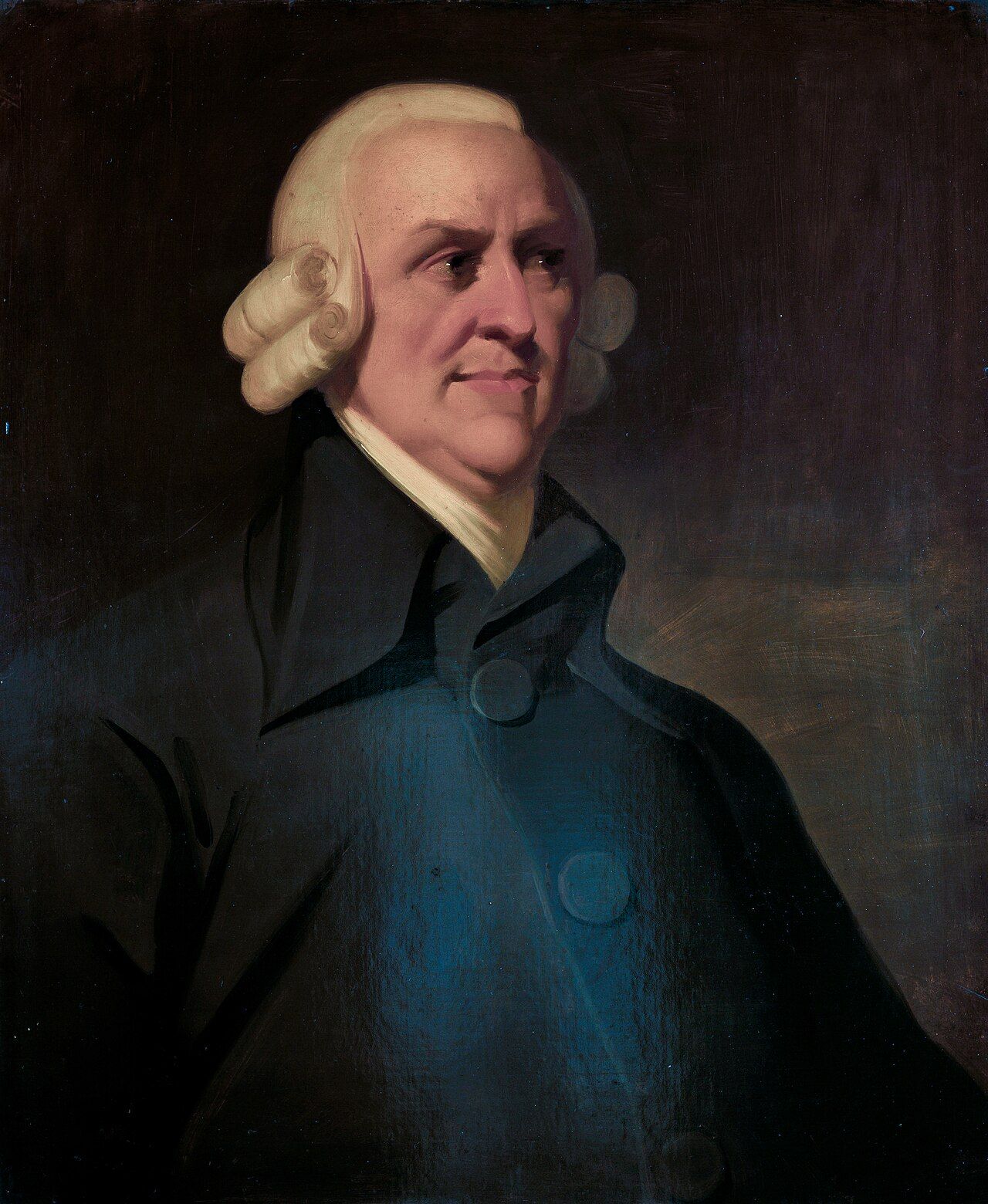
Adam Smith, the 'Muir portrait' by an unknown artist, probably painted after his death from a medallion by James Tassie
Unknown author · Public domain · Wikimedia Commons
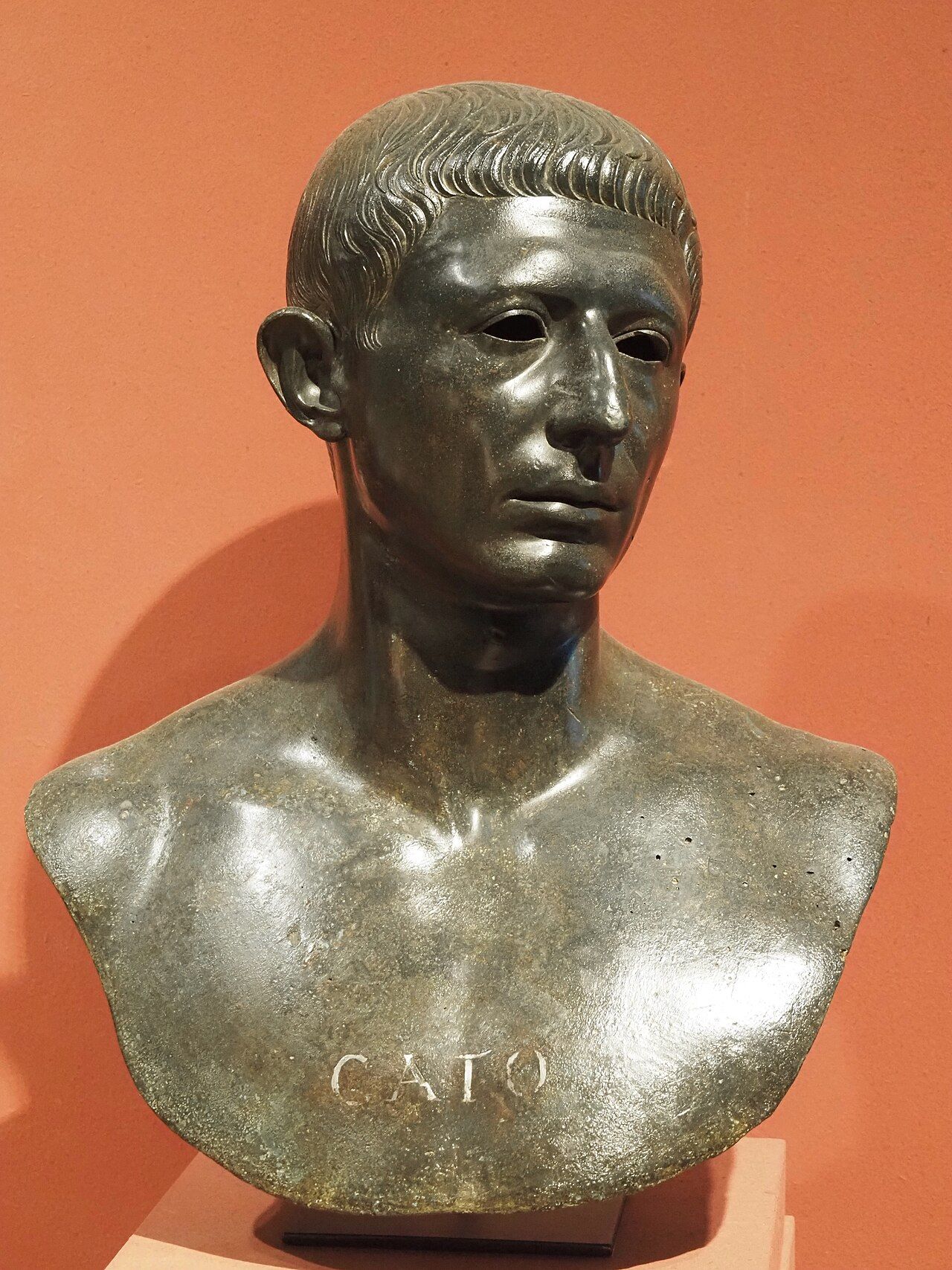
Bronze bust of Cato the Younger from Volubilis (Morocco), 1st century AD, Archaeological Museum of Rabat
Photo: Laci3 · CC0 · Wikimedia Commons
Photograph of a three-dimensional object
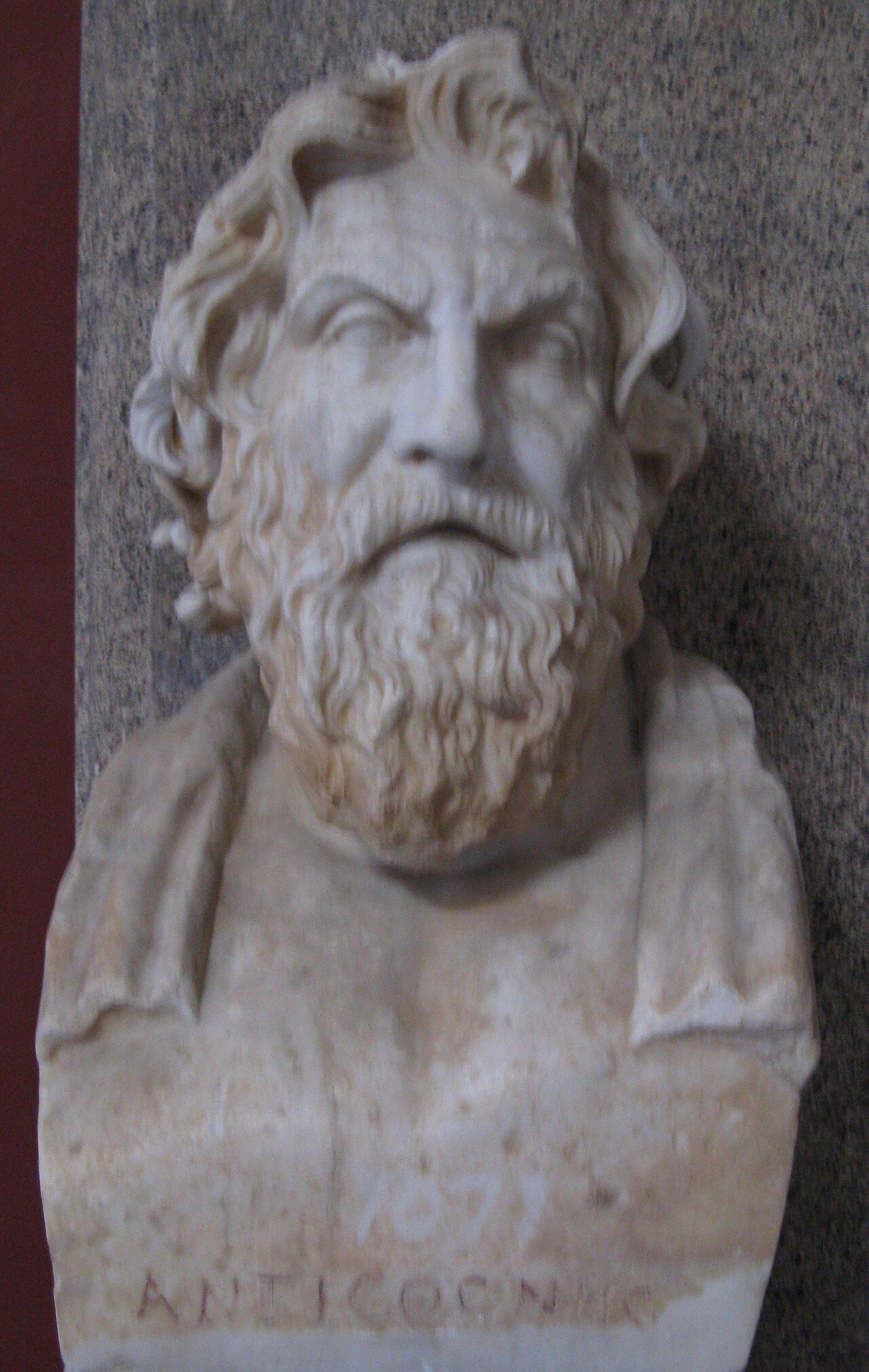
Bust of Antisthenes, Vatican Museums
Photo: Yair Haklai · CC BY-SA 4.0 · Wikimedia Commons
Photograph of a three-dimensional object
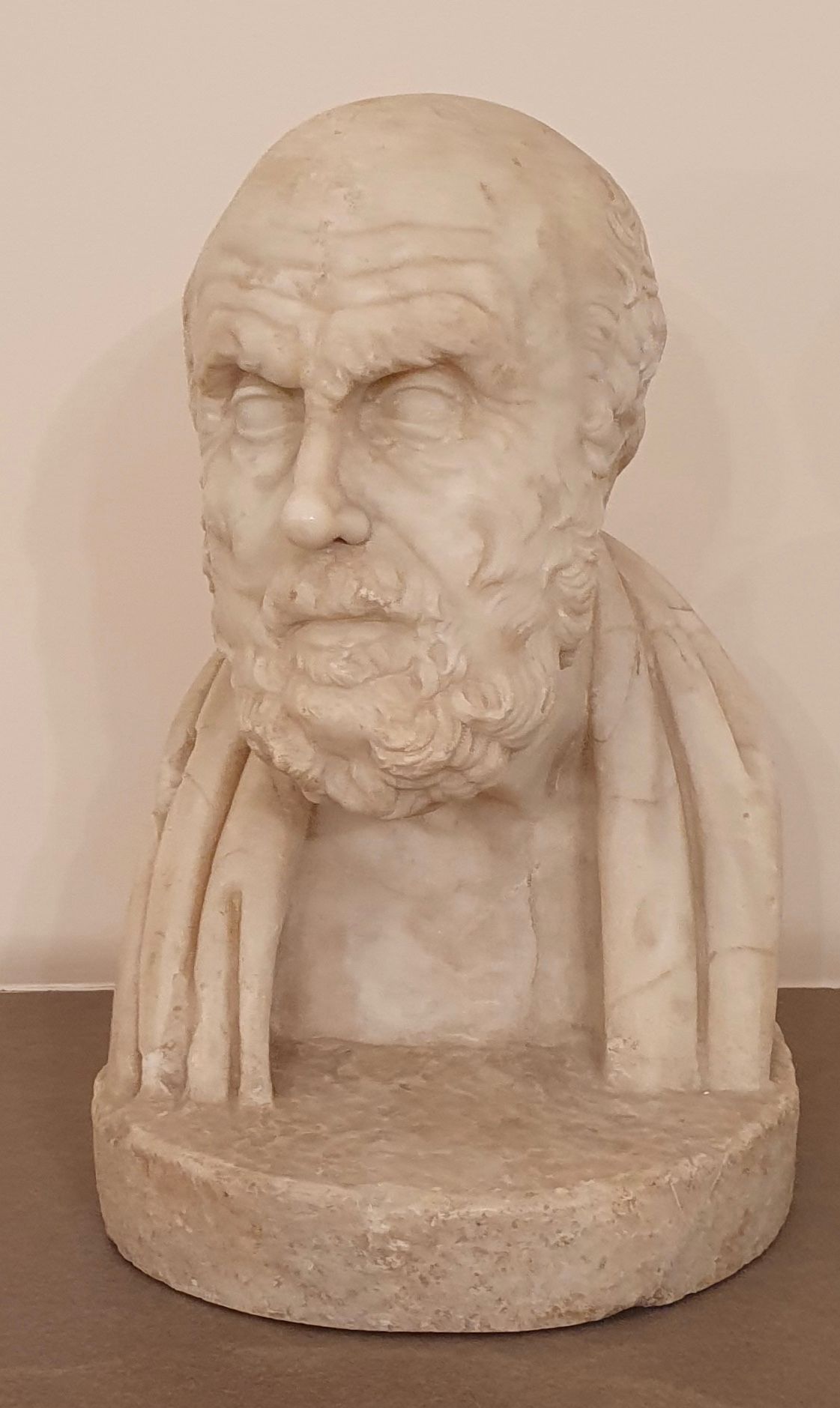
Bust of Chrysippus, Augustan copy of a late 3rd-century BC original
Photo: Yair-haklai · CC BY-SA 4.0 · Wikimedia Commons
Photograph of a three-dimensional object
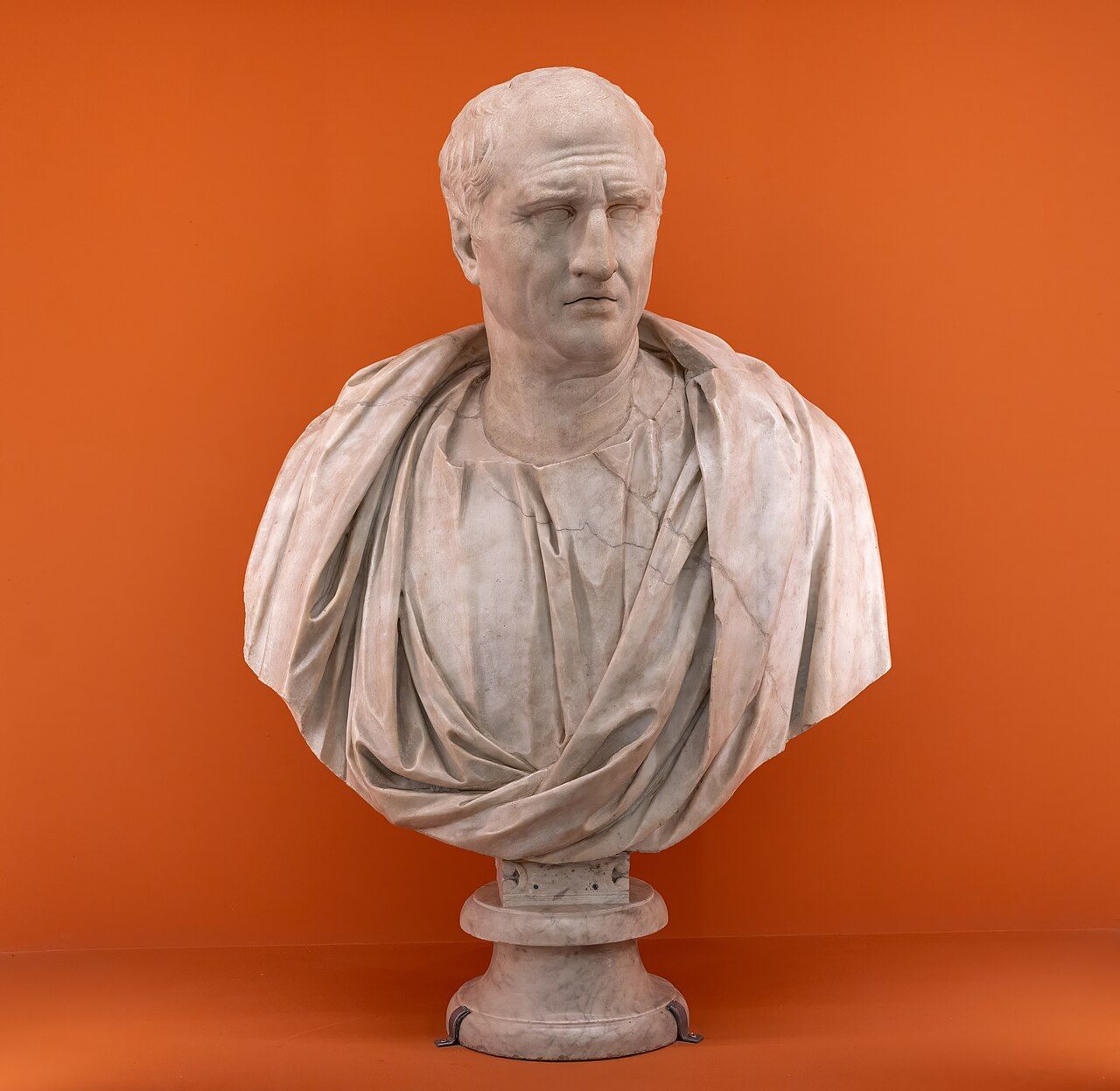
Bust of Cicero, Capitoline Museums, Rome
Photo: Wilfredor · CC0 · Wikimedia Commons
Photograph of a three-dimensional object
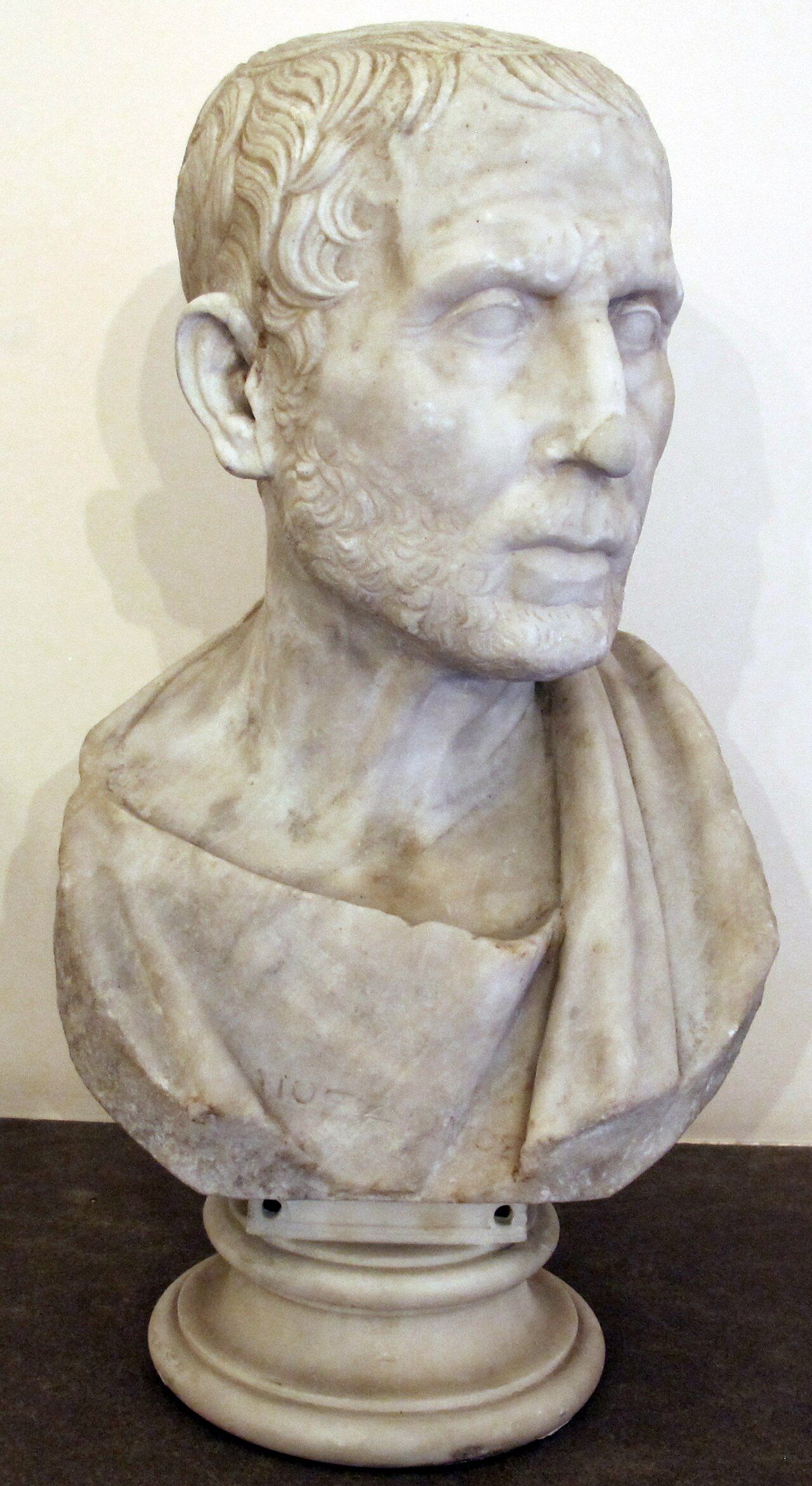
Bust of Posidonius, National Archaeological Museum of Naples
Photo: Sailko · CC BY 3.0 · Wikimedia Commons
Photograph of a three-dimensional object
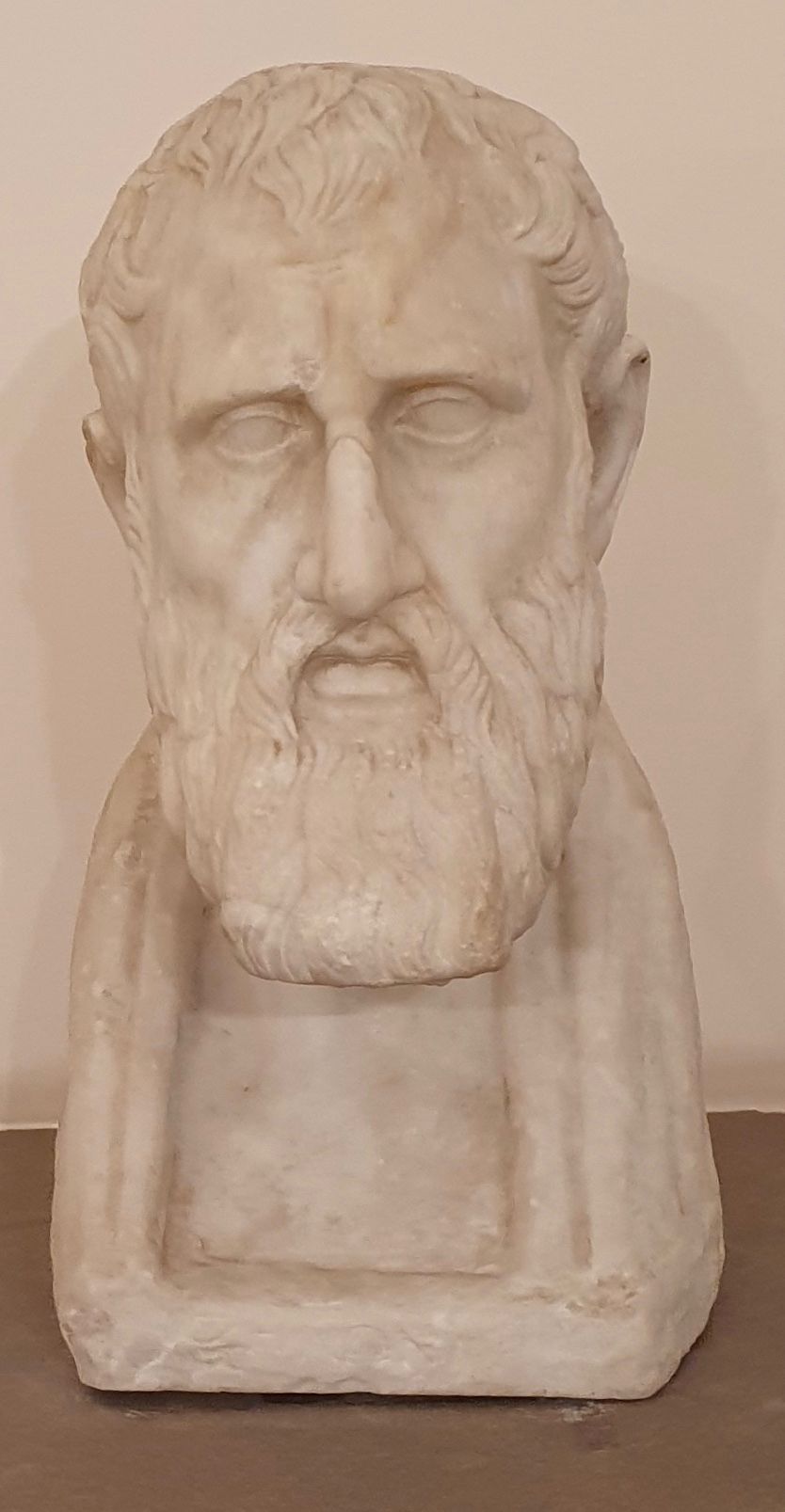
Bust of Zeno of Citium, Farnese collection, National Archaeological Museum of Naples
Photo: Yair-haklai · CC BY-SA 4.0 · Wikimedia Commons
Photograph of a three-dimensional object
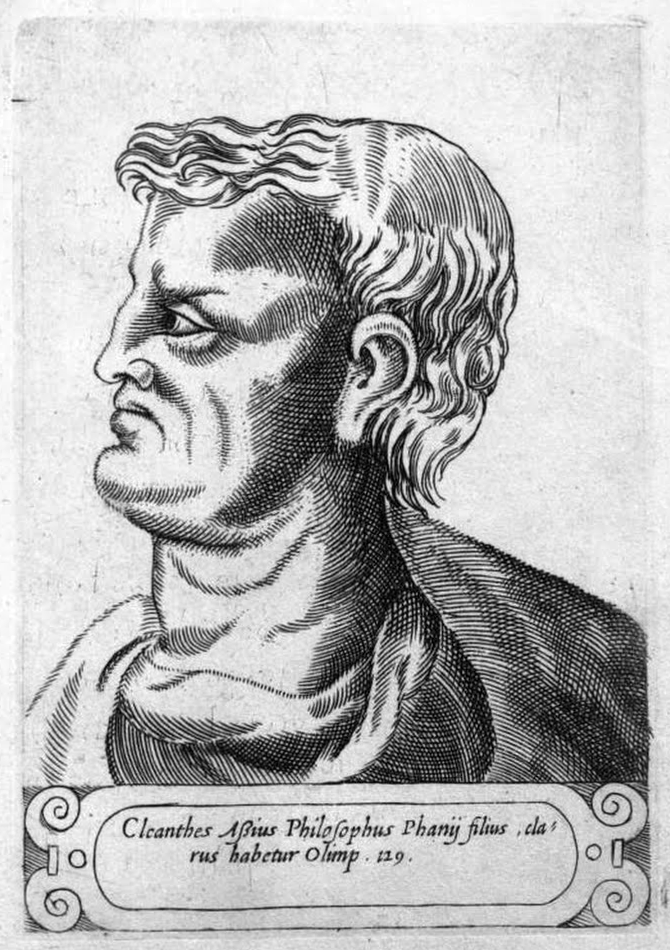
Cleanthes of Assos, from Girolamo Olgiati, Illustrium philosophorum et sapientum effigies (Venice, 1580)
Girolamo Olgiati · Public domain · Wikimedia Commons
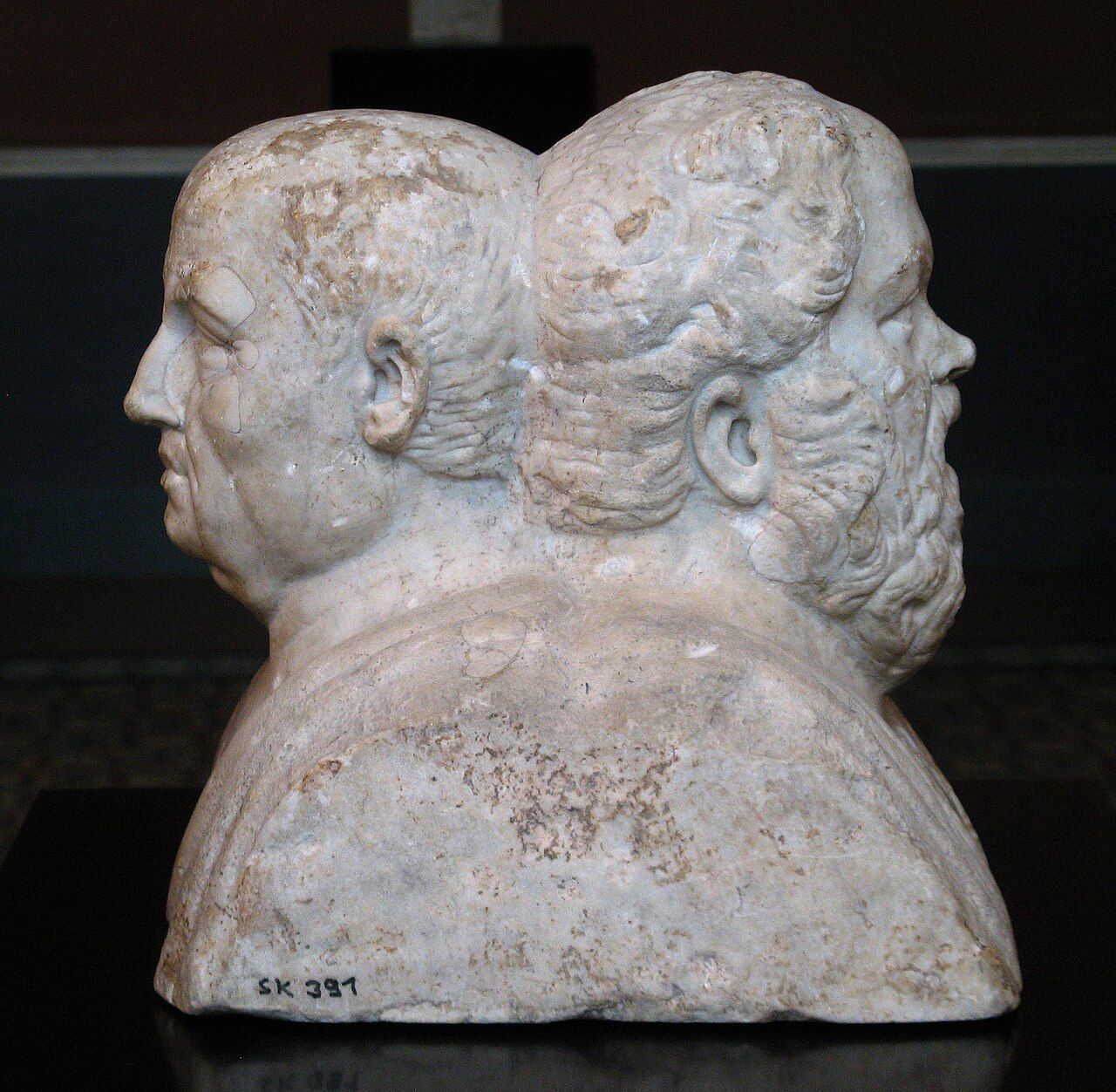
Double herm of Socrates and Seneca, Antikensammlung Berlin (Sk 397)
Photo: Mark Landon · CC BY 4.0 · Wikimedia Commons
Photograph of a three-dimensional object
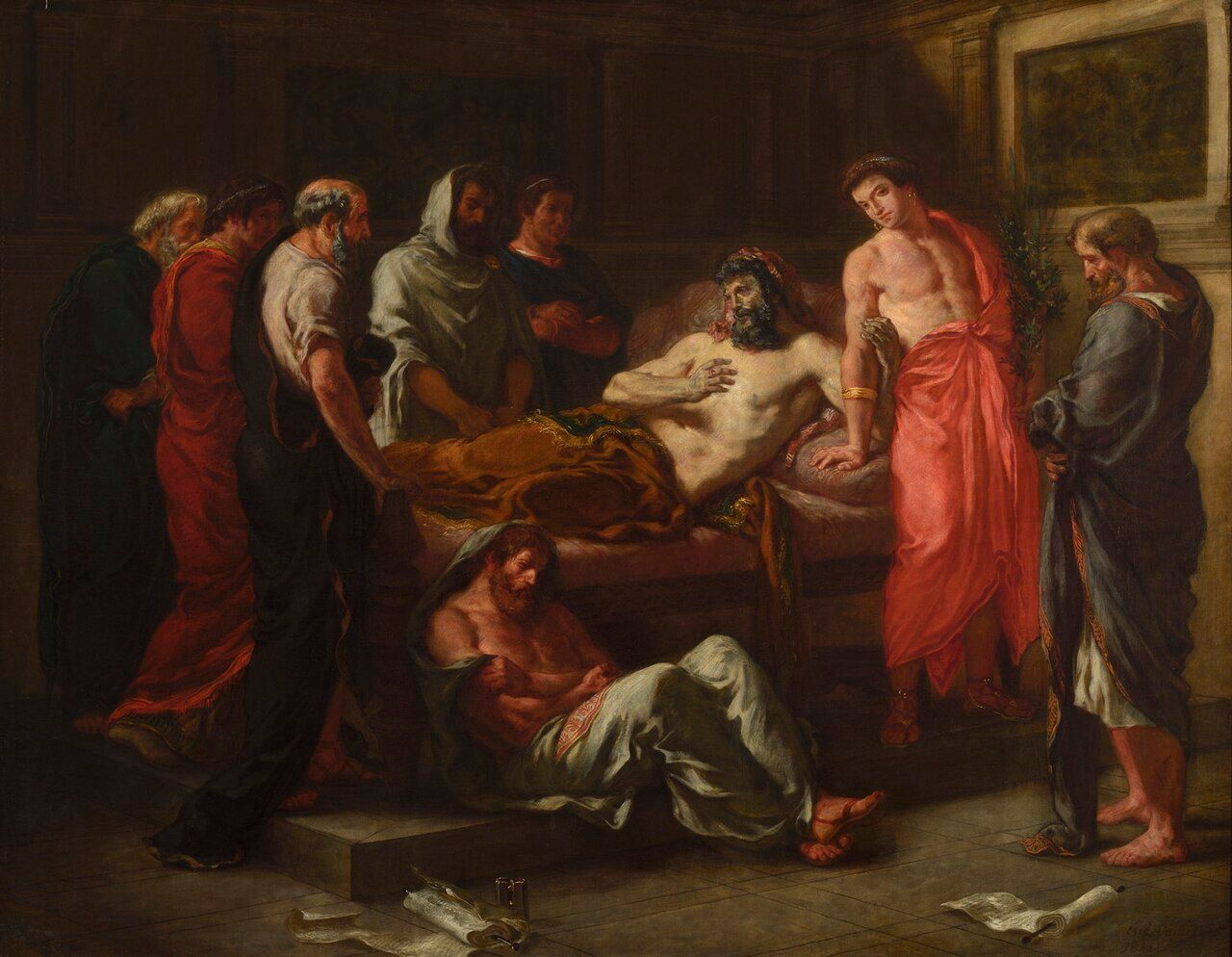
Eugène Delacroix, The Last Words of the Emperor Marcus Aurelius
Eugène Delacroix · Public domain · Wikimedia Commons
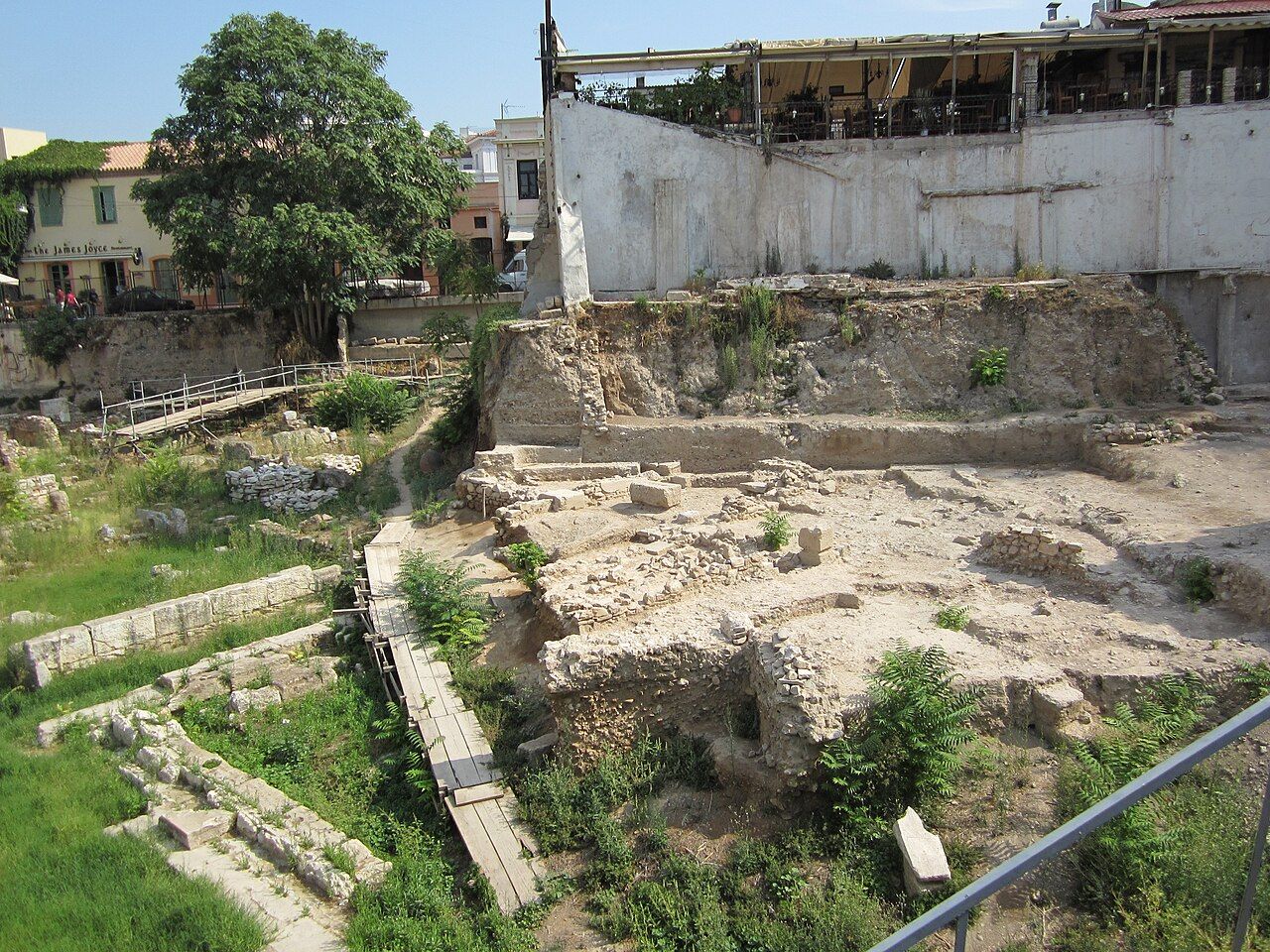
Excavated foundations of the Stoa Poikile (Painted Stoa) in the Athenian Agora, where Zeno taught
Photo: Tomisti · CC BY-SA 4.0 · Wikimedia Commons
Photograph of a three-dimensional object
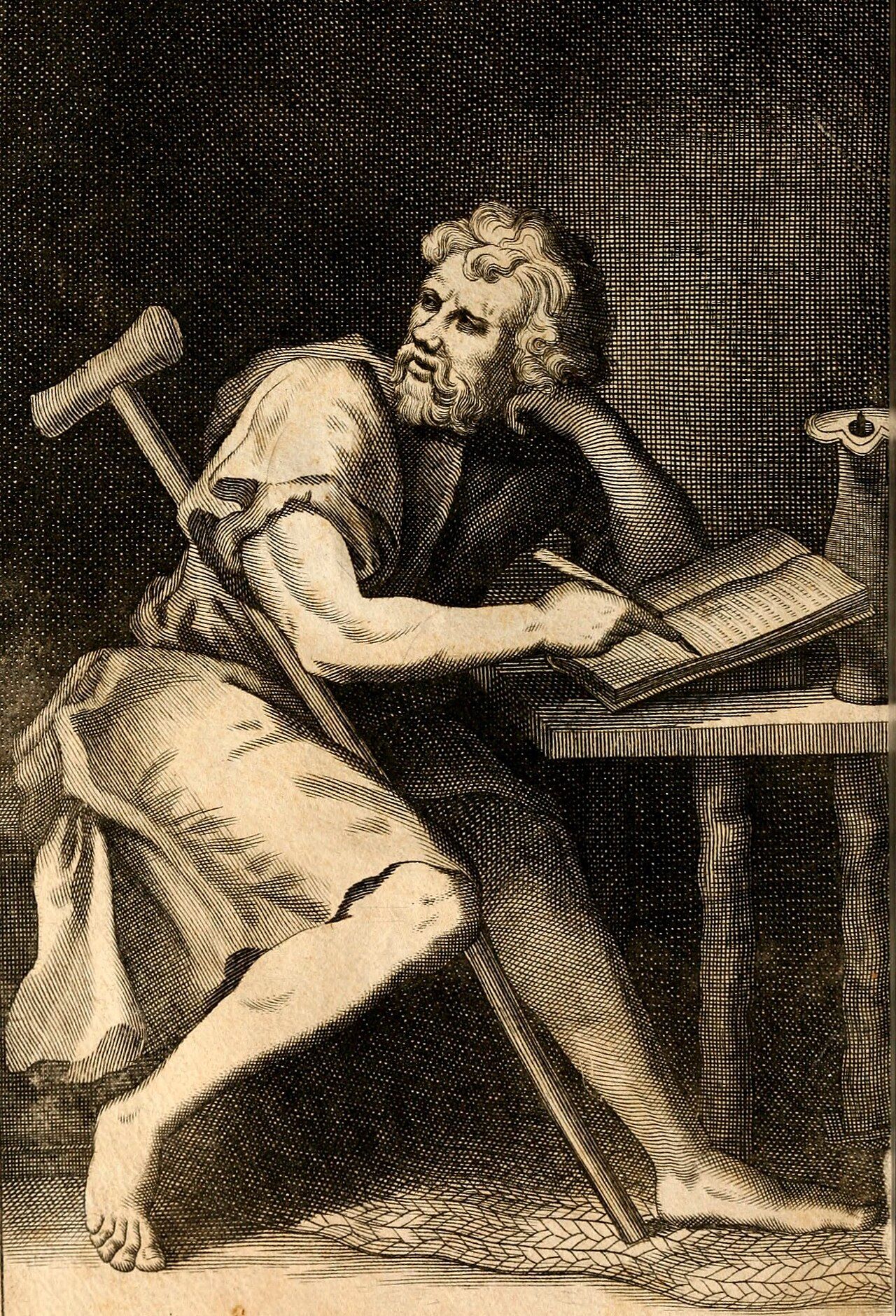
Imaginary portrait of Epictetus, engraved frontispiece to Edward Ivie's Latin verse Enchiridion (Oxford, 1715)
William Sonmans / Michael Burghers · Public domain · Wikimedia Commons
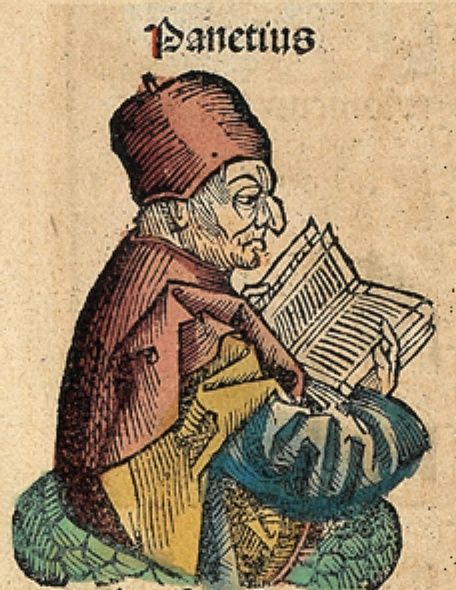
Imaginary woodcut portrait of Panaetius from the Nuremberg Chronicle (1493)
Hartmann Schedel; derivative work by Singinglemon · Public domain · Wikimedia Commons
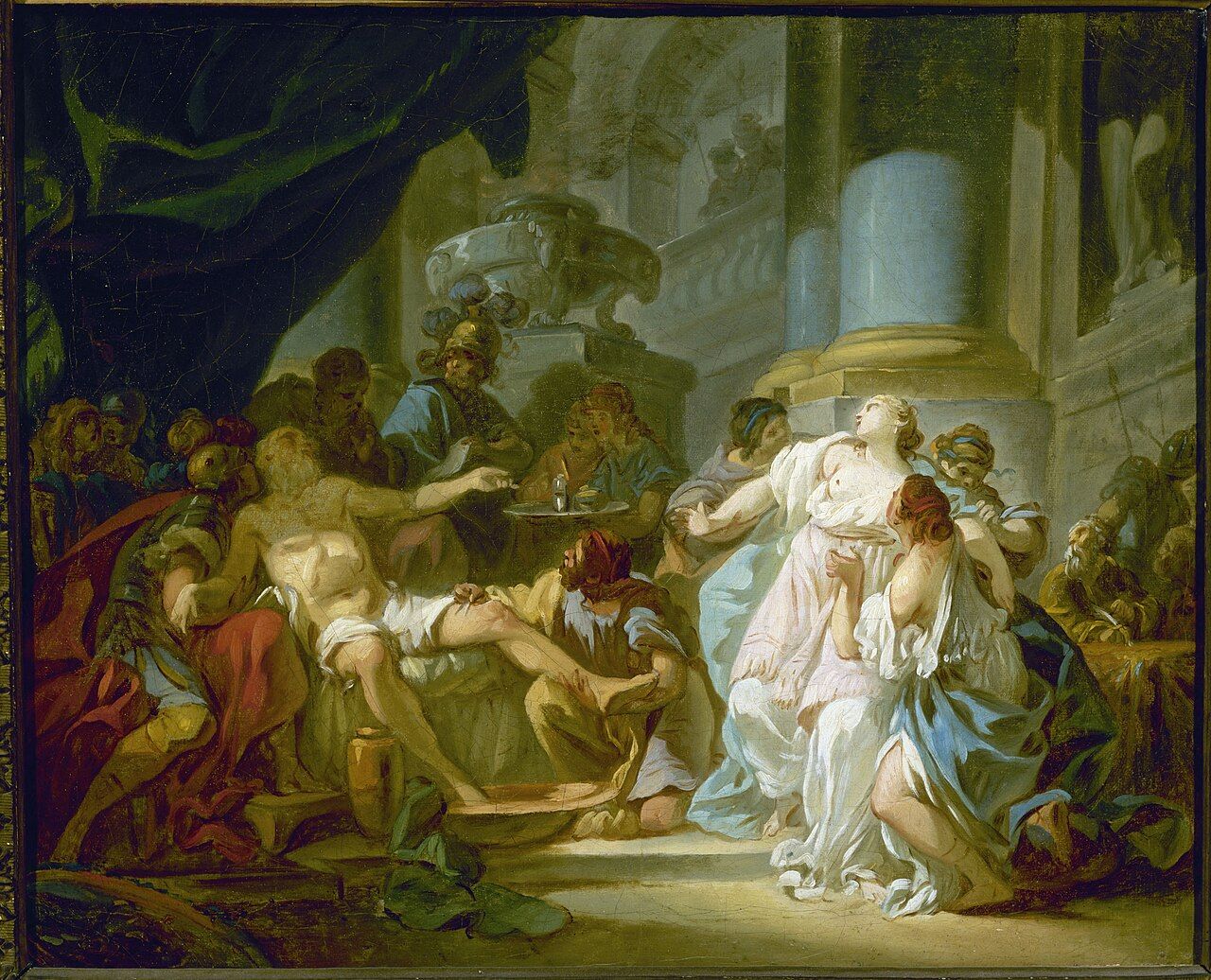
Jacques-Louis David, The Death of Seneca
Jacques-Louis David · Public domain · Wikimedia Commons
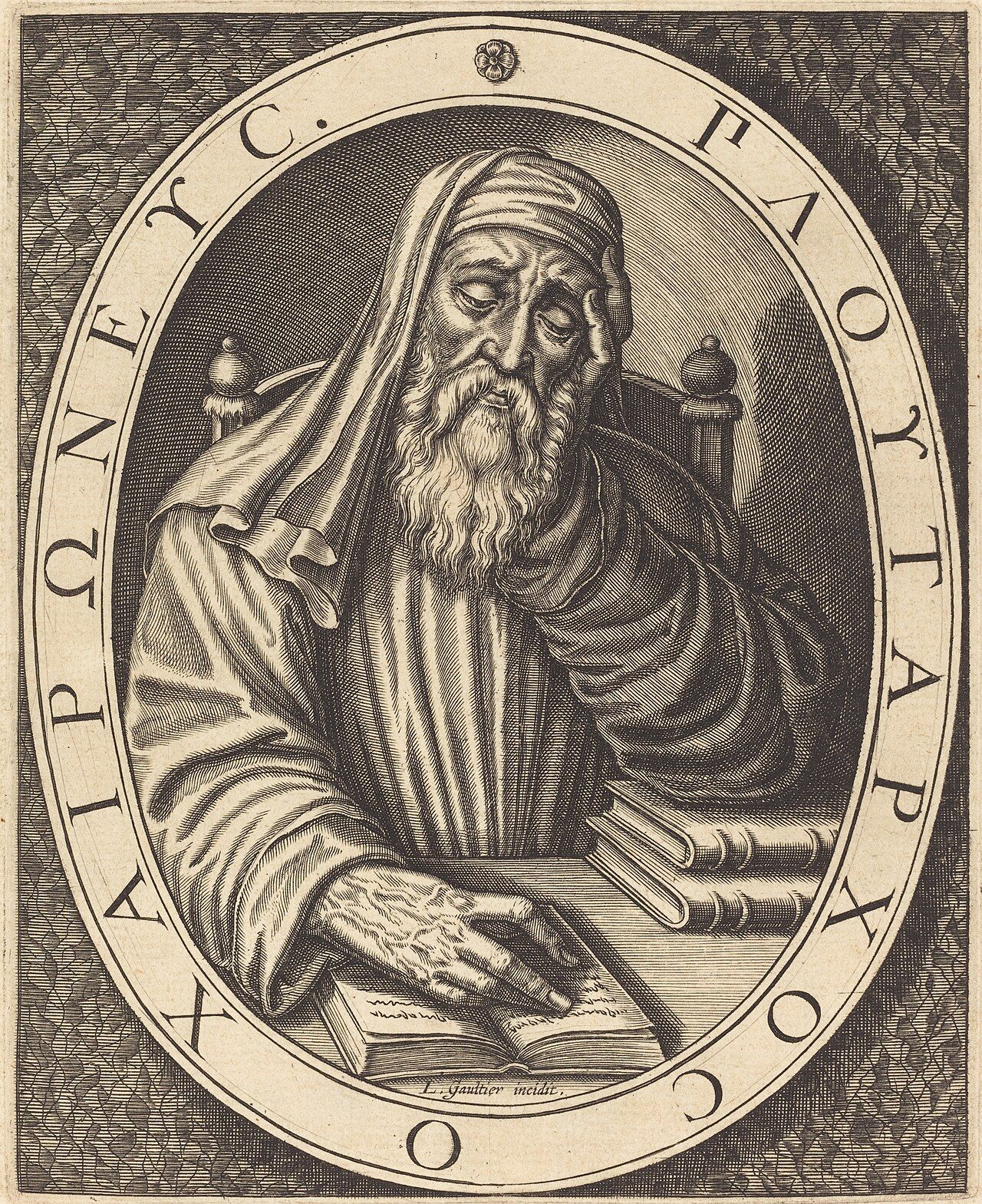
Léonard Gaultier, Plutarch (engraving): an imagined likeness
Léonard Gaultier · CC0 · Wikimedia Commons
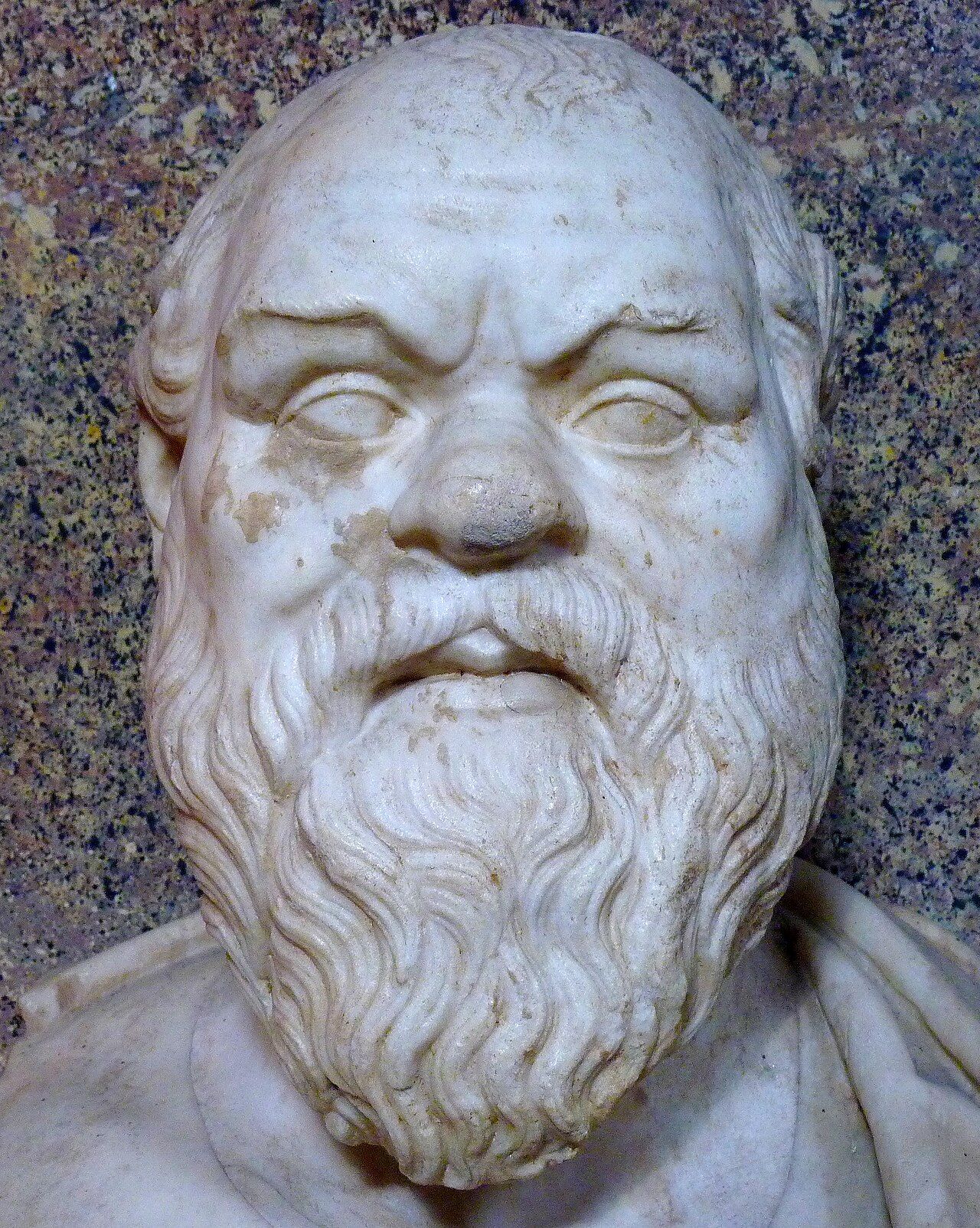
Marble bust of Socrates, Vatican Museums
Photo: Dudva · CC BY-SA 4.0 · Wikimedia Commons
Photograph of a three-dimensional object
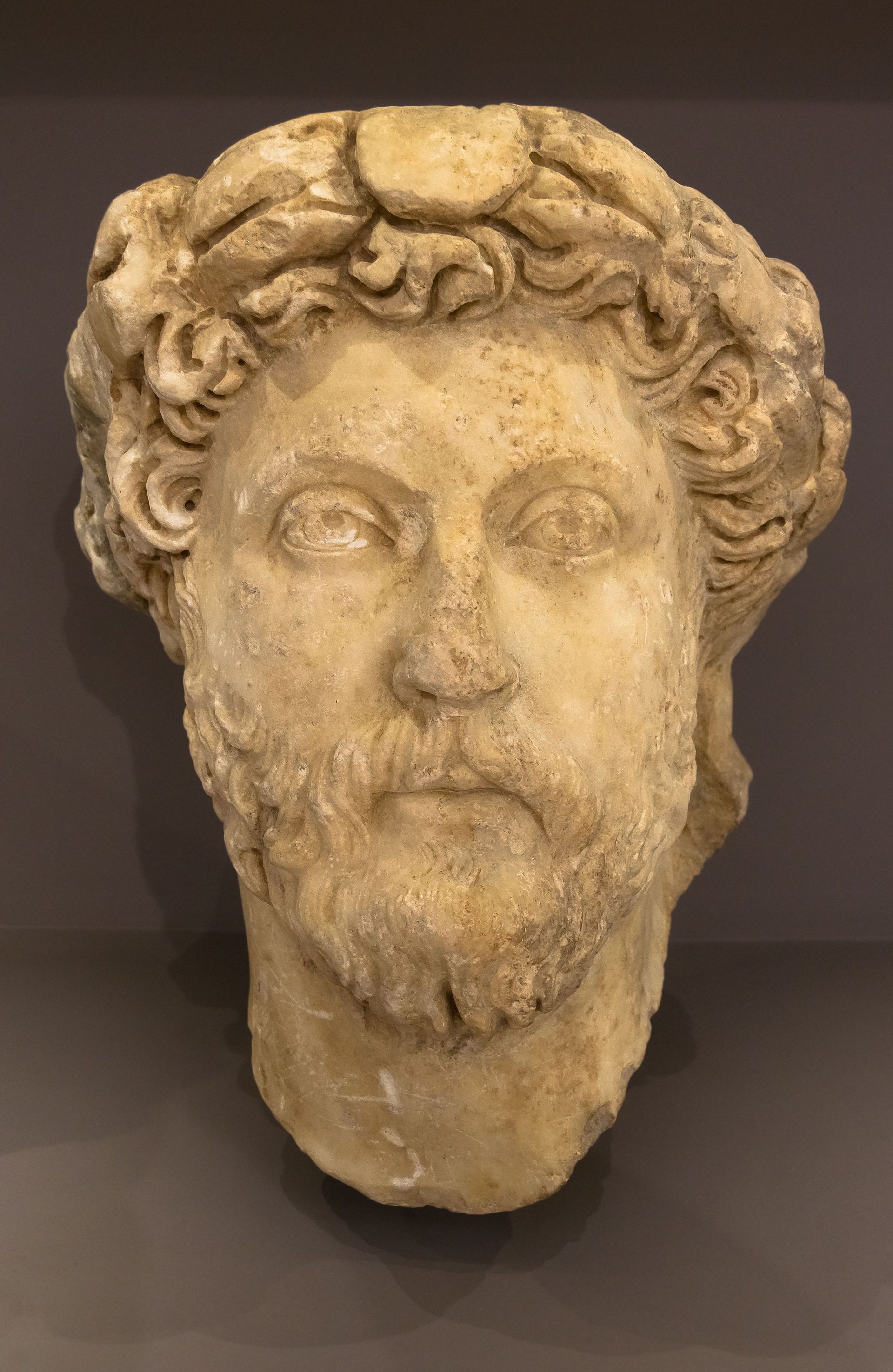
Marble head of Marcus Aurelius, 2nd century AD, Archaeological Museum of Heraklion
Photo: Jebulon · CC0 · Wikimedia Commons
Photograph of a three-dimensional object
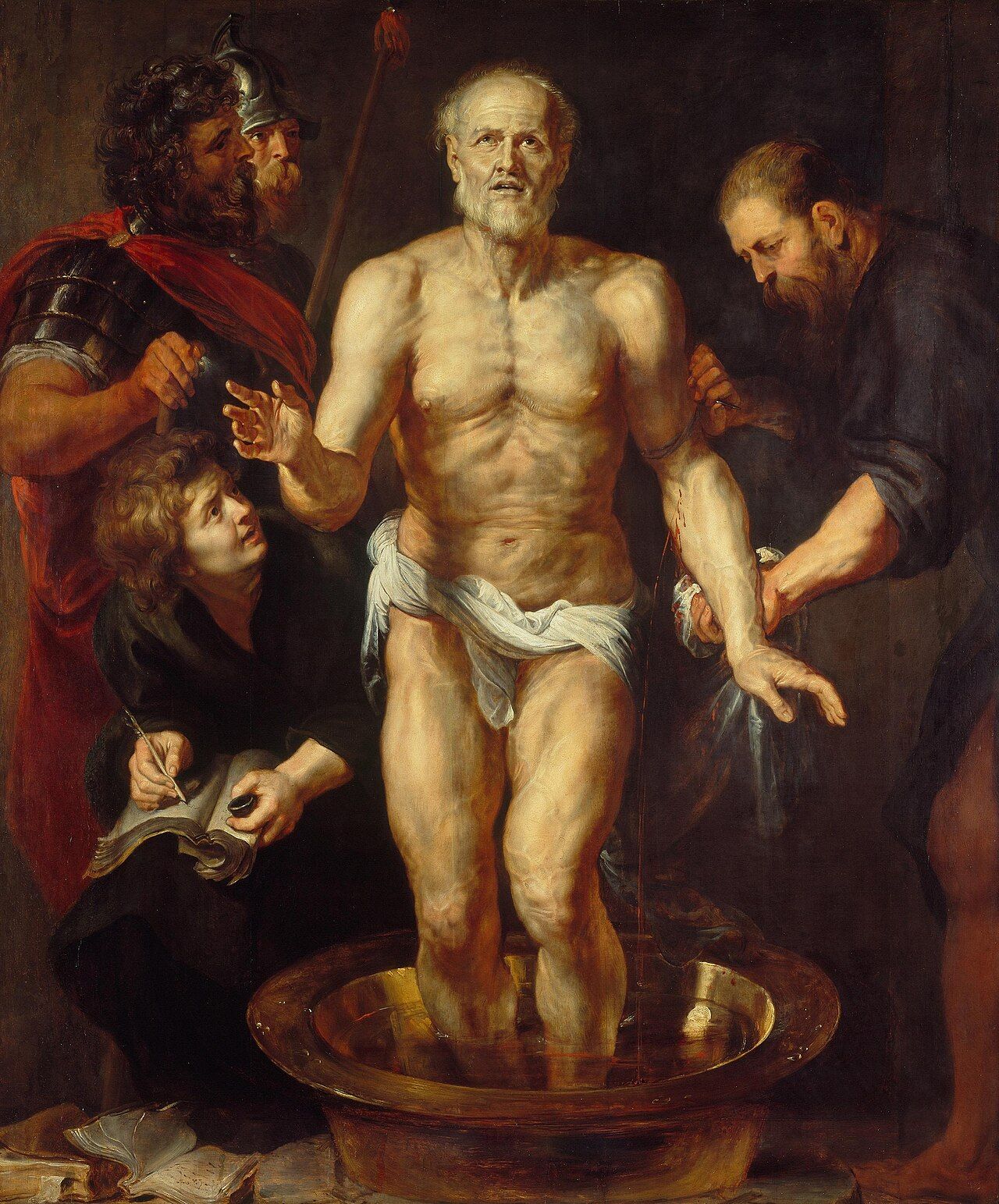
Peter Paul Rubens, The Death of Seneca
Peter Paul Rubens · Public domain · Wikimedia Commons
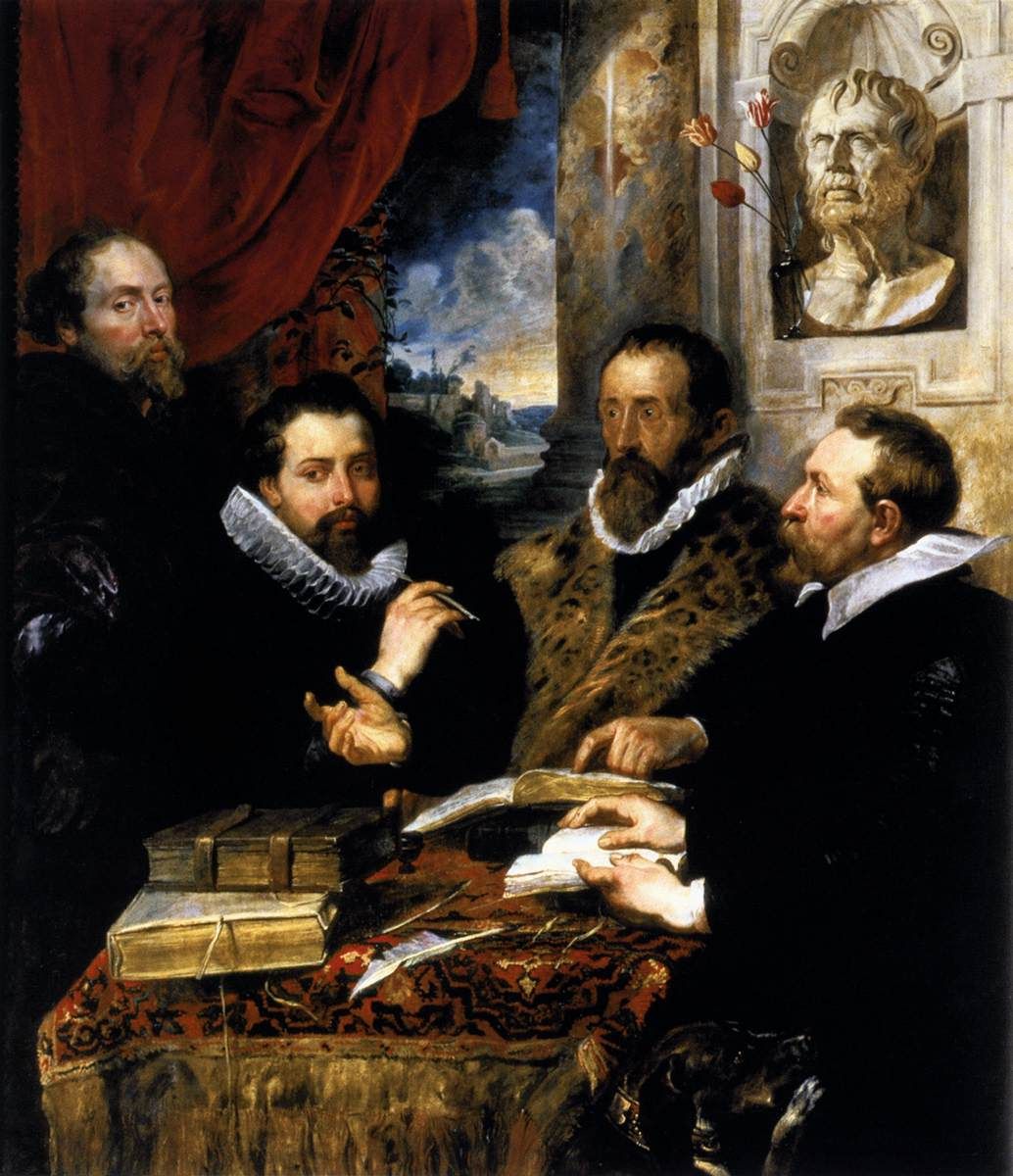
Peter Paul Rubens, The Four Philosophers: Justus Lipsius and his circle beneath a bust of Seneca
Peter Paul Rubens · Public domain · Wikimedia Commons
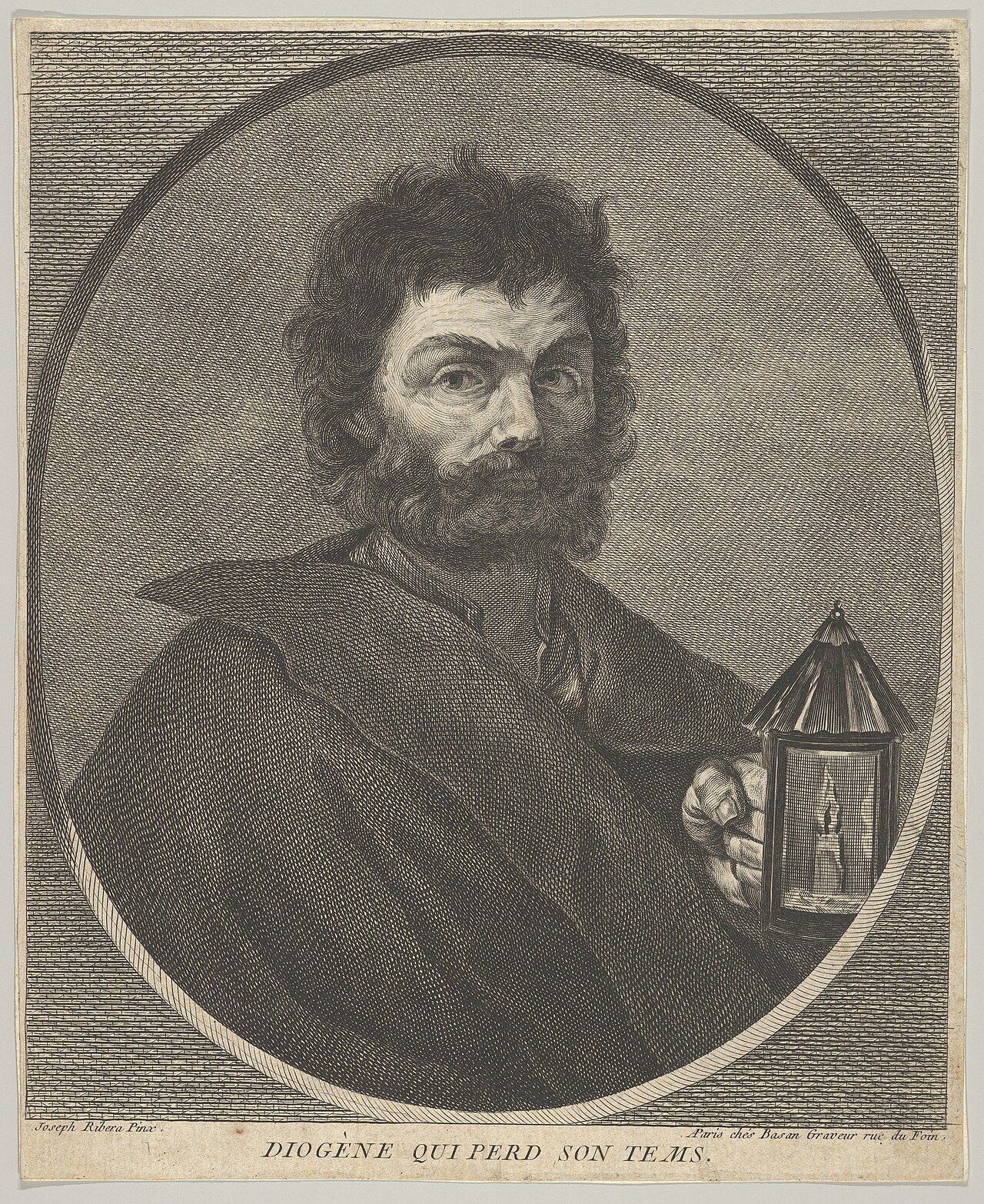
Pierre-François Basan after Jusepe de Ribera, Diogenes holding a lantern (print): an imagined likeness
Pierre-François Basan / After Jusepe de Ribera · CC0 · Wikimedia Commons
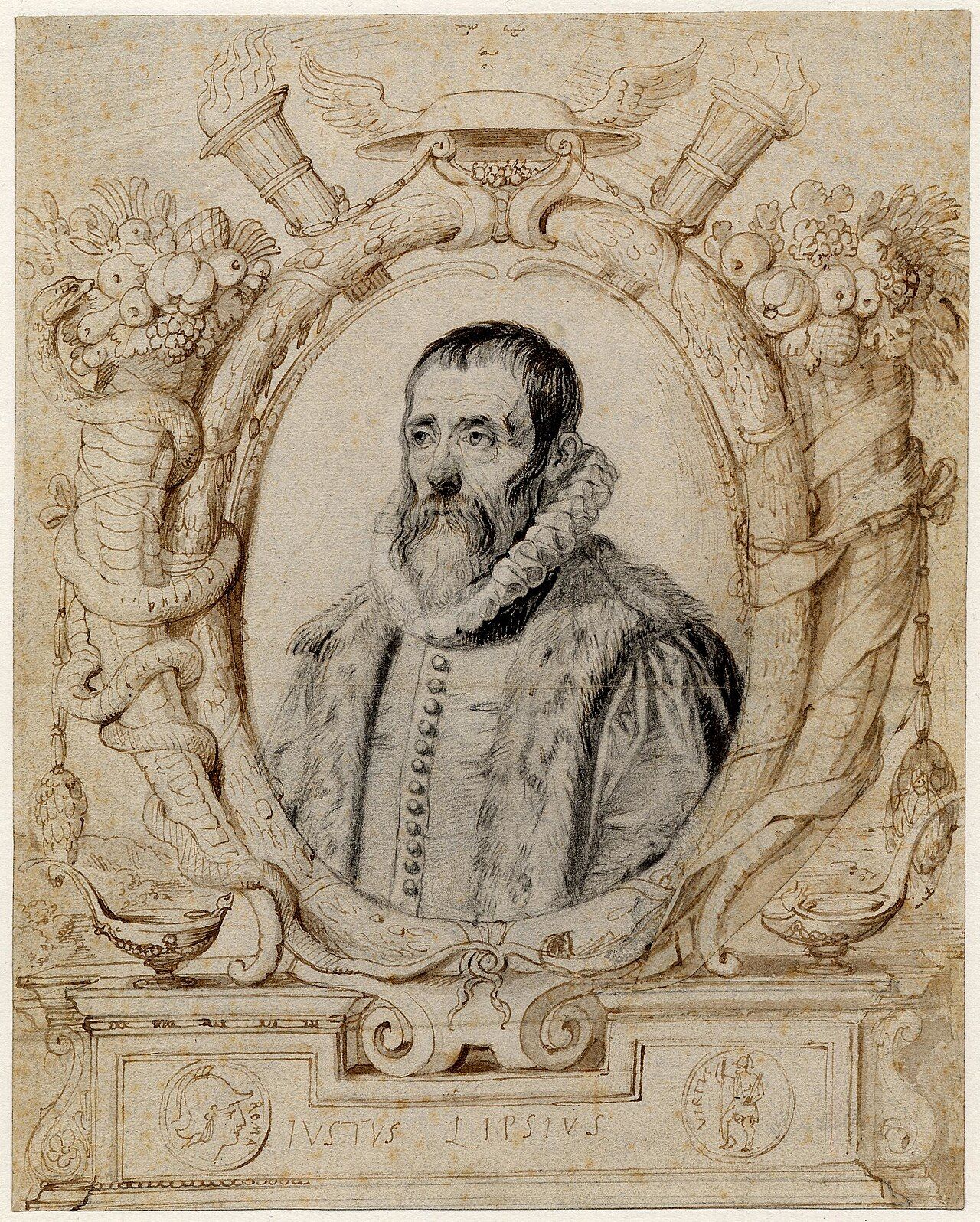
Portrait of Justus Lipsius, by Peter Paul Rubens after Abraham Janssens
Peter Paul Rubens / After Abraham Janssens I · Public domain · Wikimedia Commons
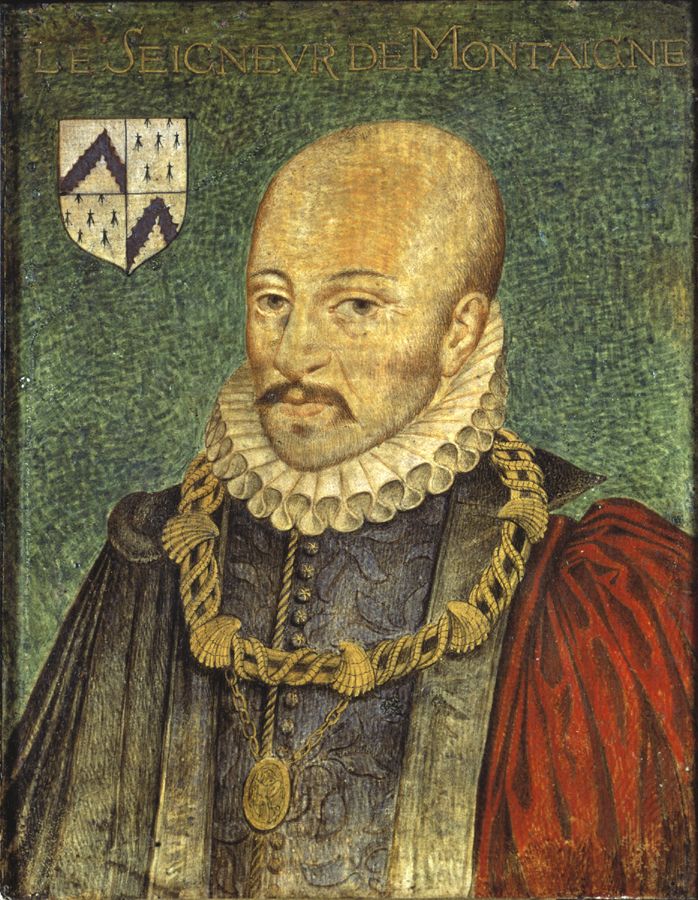
Portrait of Michel de Montaigne, by an anonymous artist
anonymous · Public domain · Wikimedia Commons
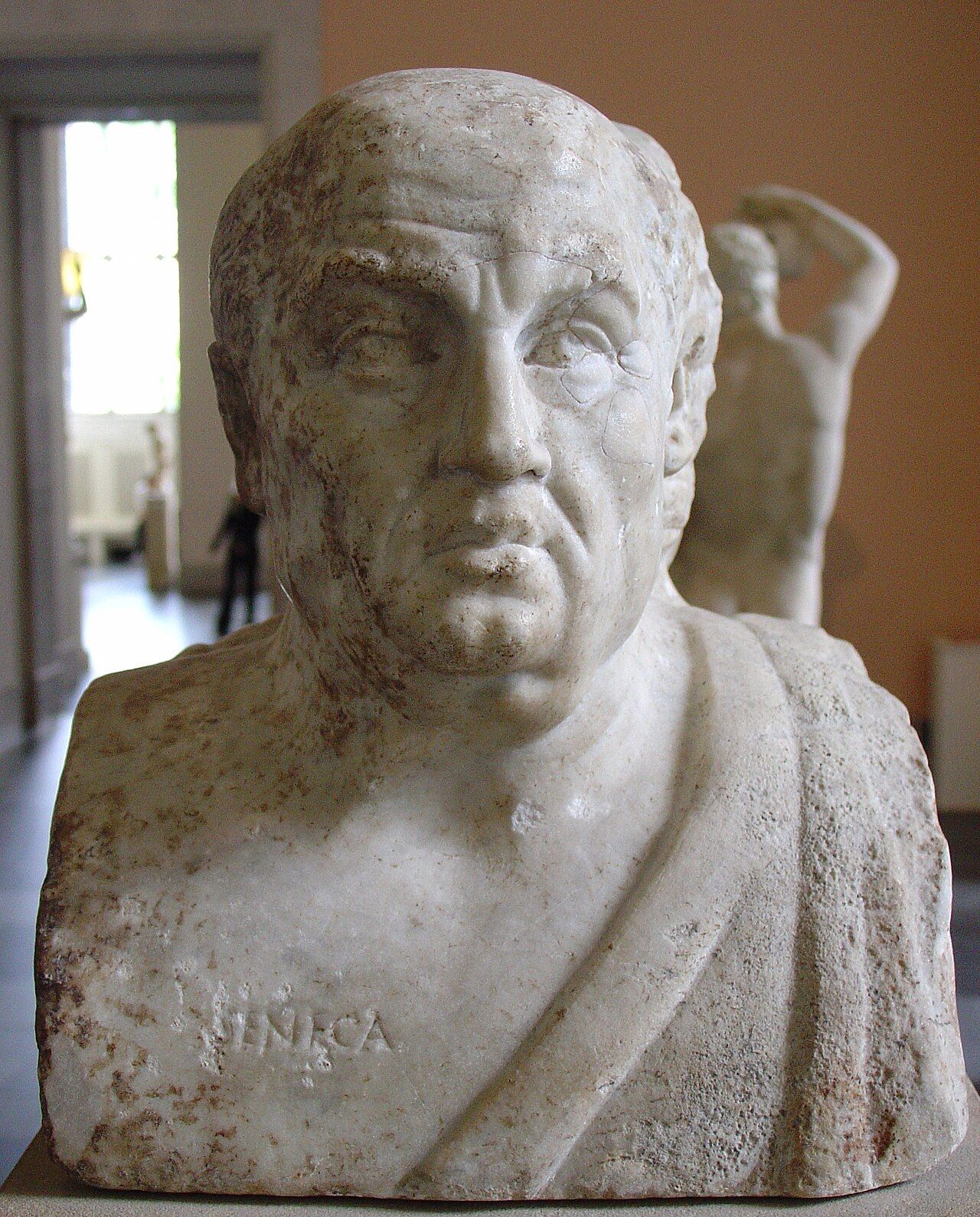
Seneca, from the double herm of Socrates and Seneca, Antikensammlung Berlin
Photo: Calidius · CC BY-SA 3.0 · Wikimedia Commons
Photograph of a three-dimensional object
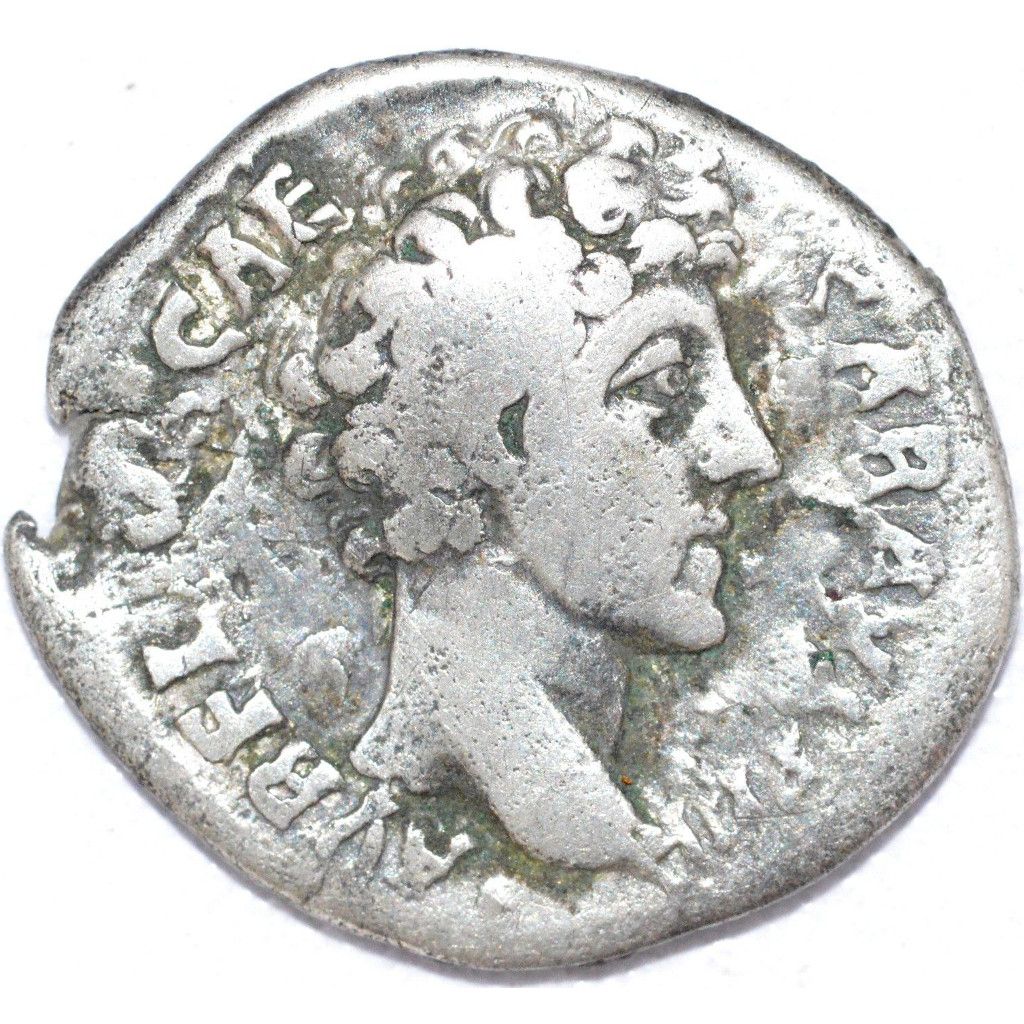
Silver denarius of Marcus Aurelius
Photo: Velatrix · CC0 · Wikimedia Commons
Photograph of a three-dimensional object
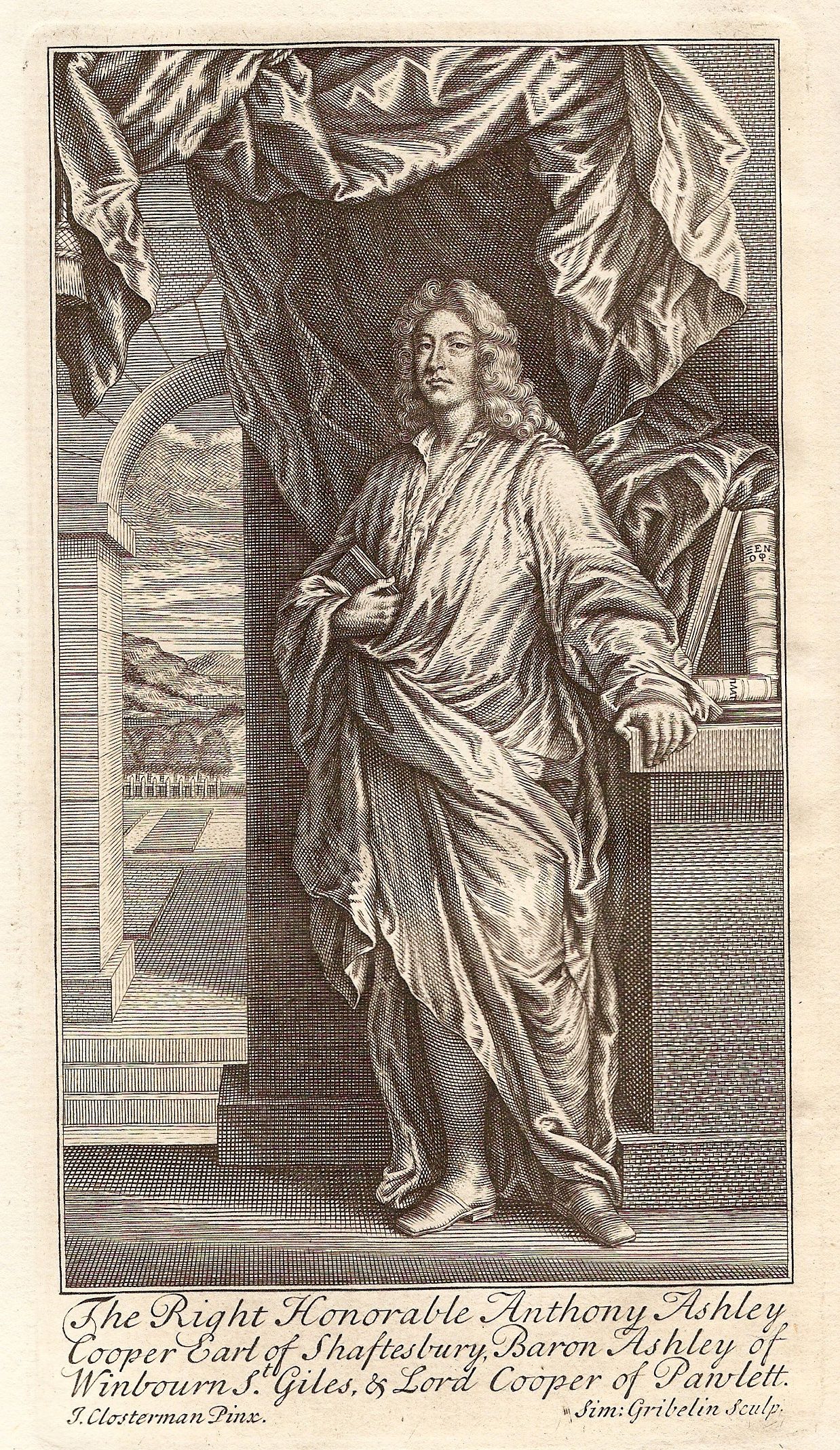
The 3rd Earl of Shaftesbury, after John Closterman: frontispiece to Characteristicks of Men, Manners, Opinions, Times (5th edition, 1732)
After John Closterman · Public domain · Wikimedia Commons
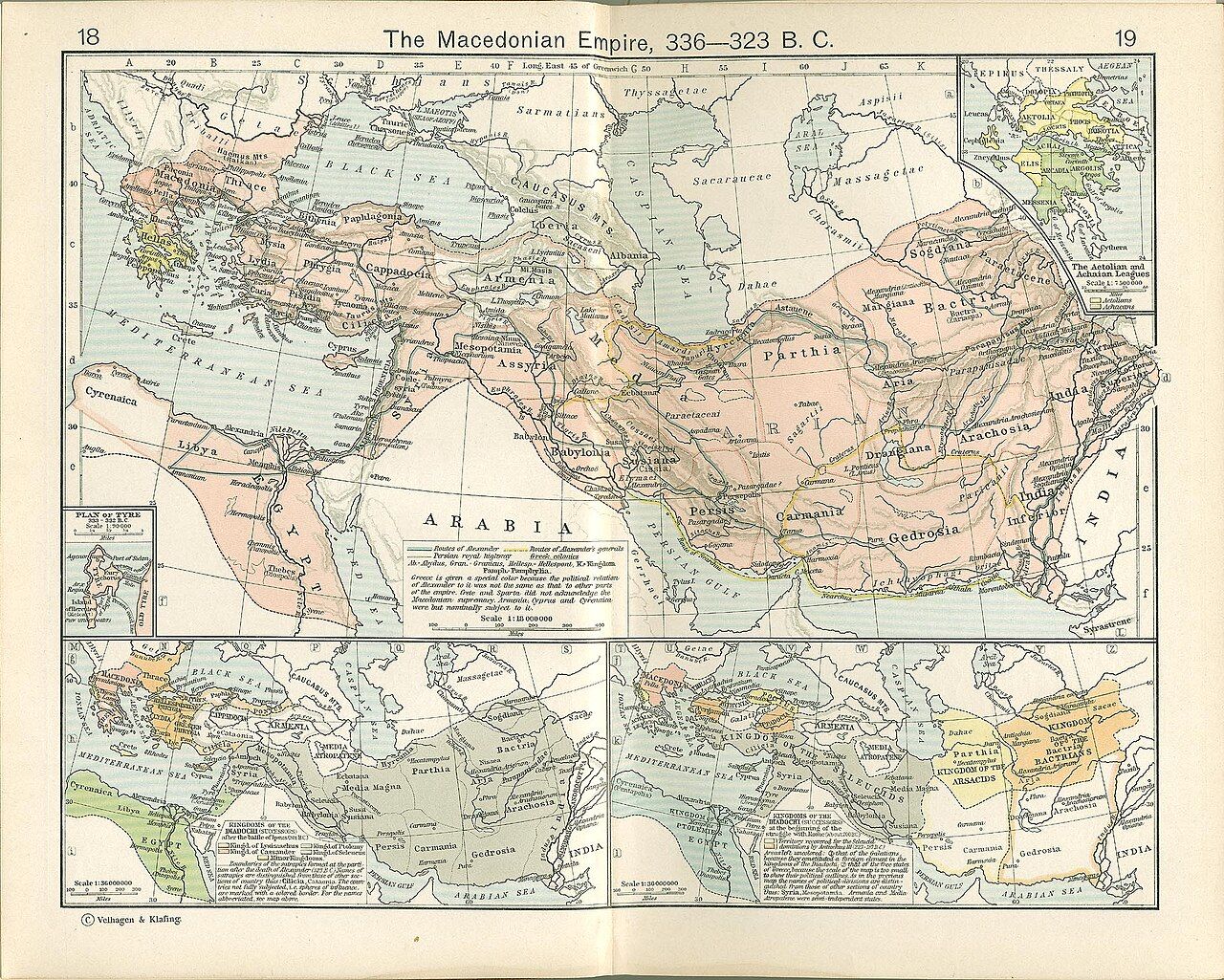
The Macedonian Empire (336–323 BC) and the kingdoms of Alexander's successors in 301 and 200 BC, the world into which Stoicism was born. From William R. Shepherd, Historical Atlas (1911)
Historical Atlas by William R. Shepherd 1911 edition · Public domain · Wikimedia Commons
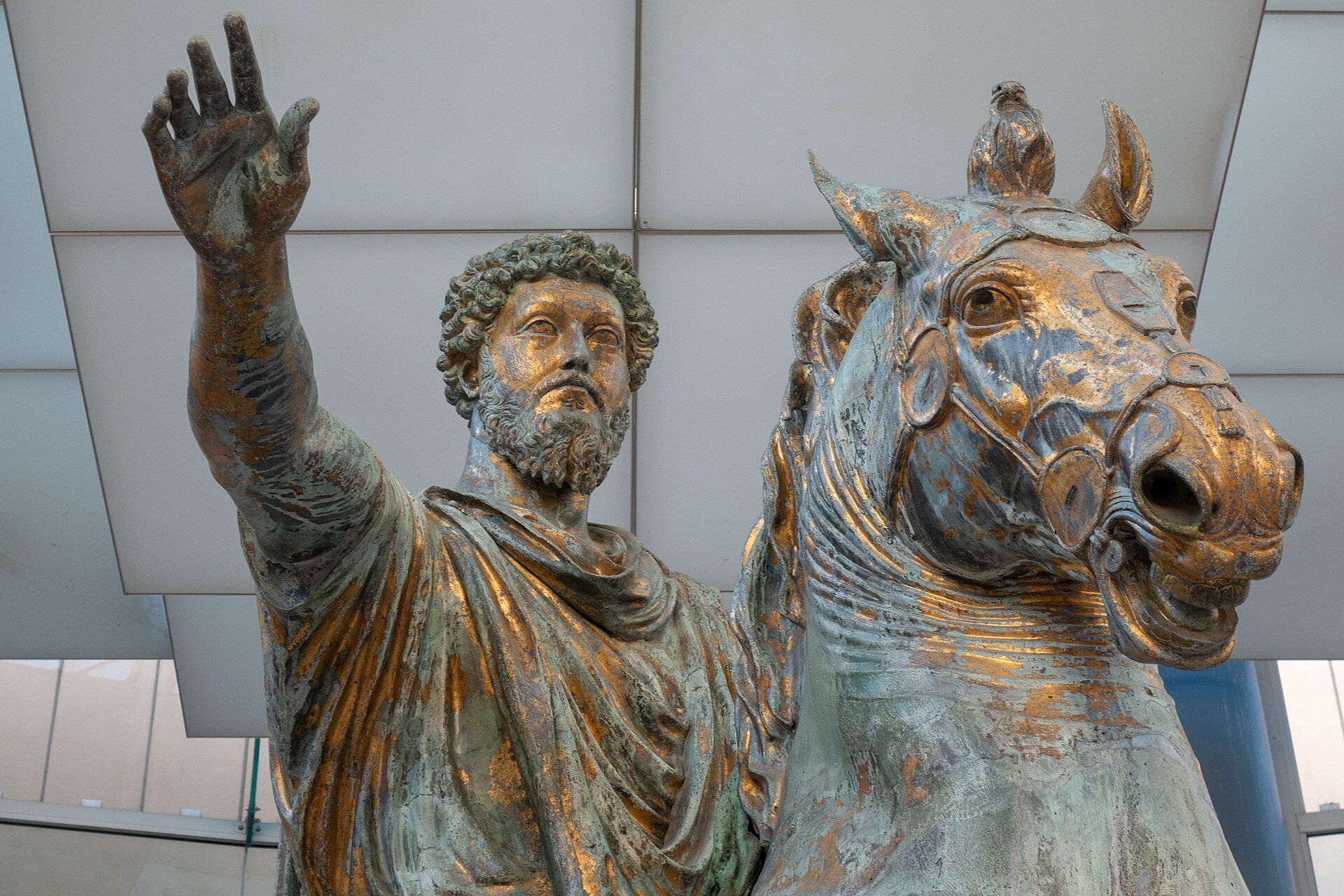
The original bronze equestrian statue of Marcus Aurelius, now inside the Capitoline Museums, Rome
Photo: Nicholas Hartmann · CC BY-SA 4.0 · Wikimedia Commons
Photograph of a three-dimensional object
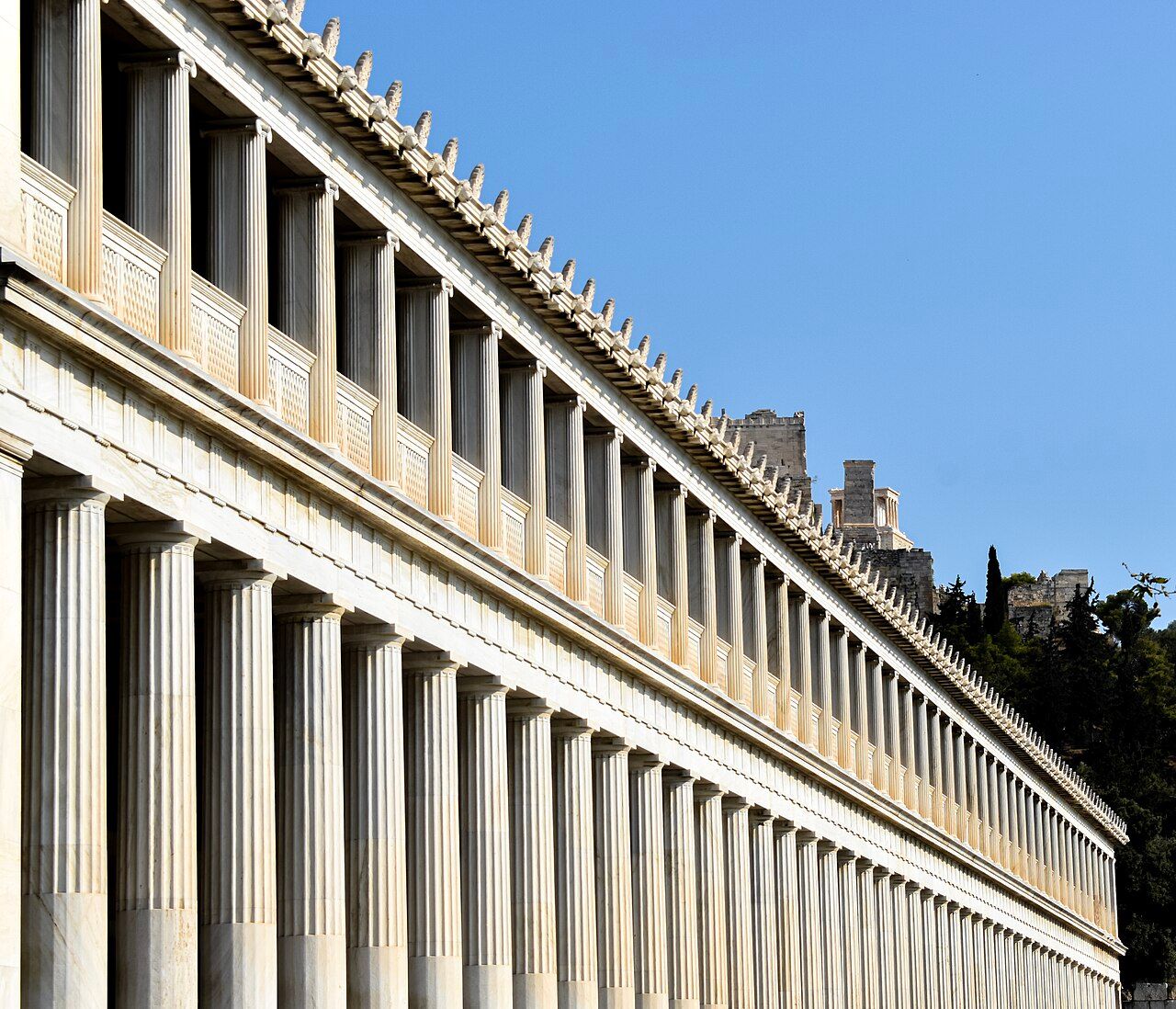
The Stoa of Attalos in the Athenian Agora, rebuilt 1953–1956 on the ancient foundations. A reconstruction, and not the Stoa Poikile where Zeno taught
Photo: Julian Lupyan · CC0 · Wikimedia Commons
Photograph of a three-dimensional object