Roman Stoa
Seneca
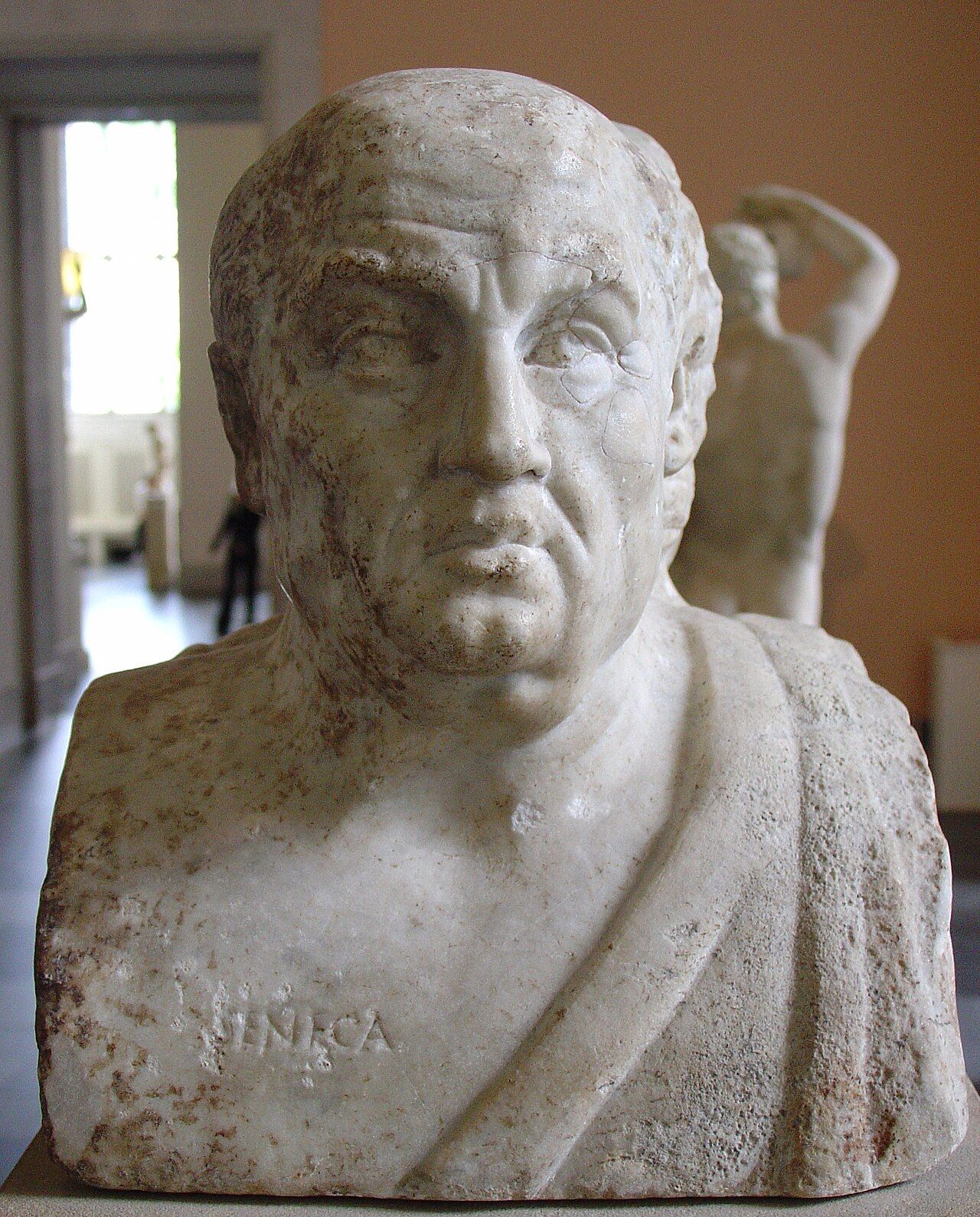
Lucius Annaeus Seneca
c. 4 BC – AD 65
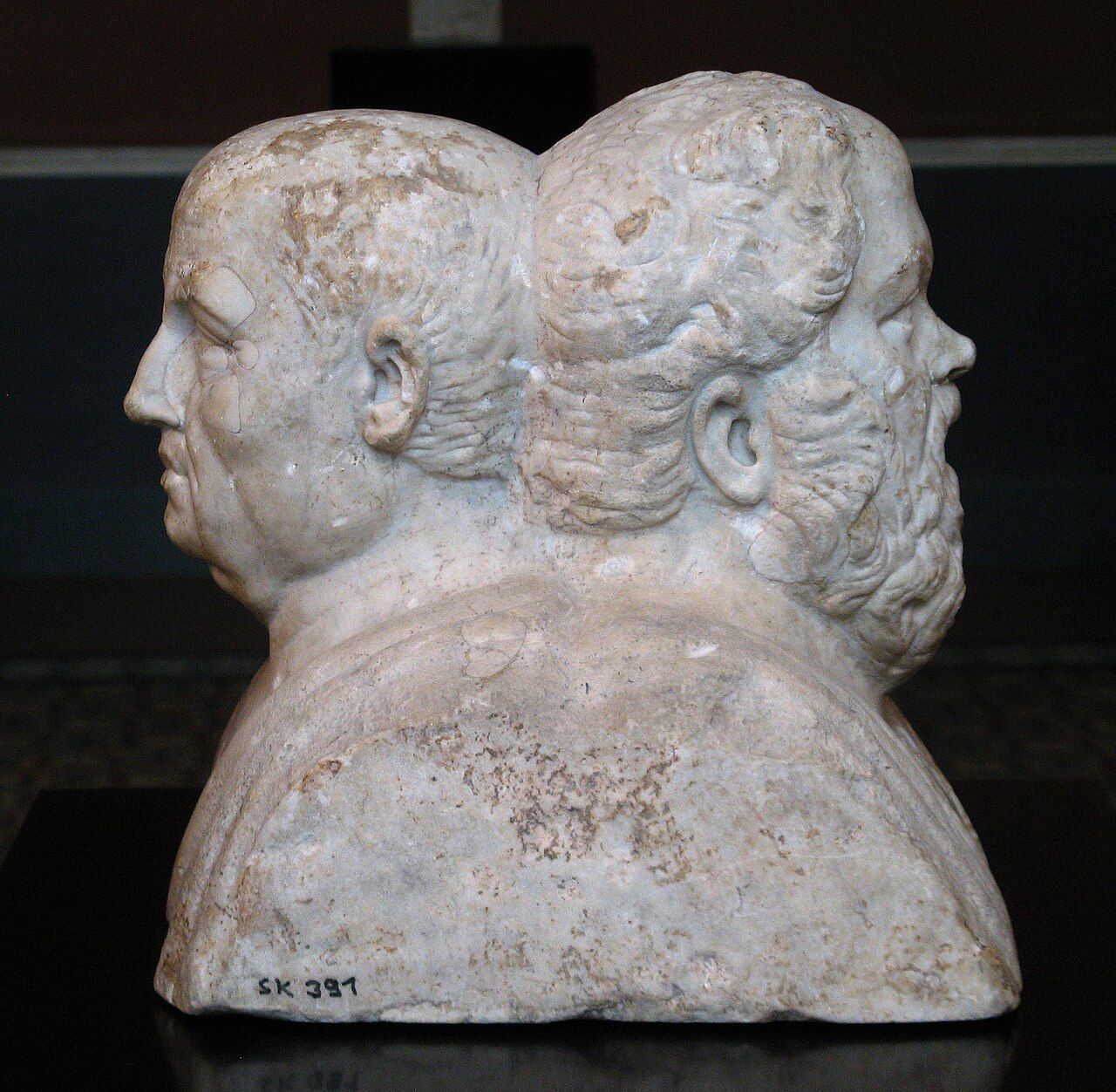
Seneca, from the double herm of Socrates and Seneca, Antikensammlung Berlin. Photo: Calidius · CC BY-SA 3.0 · Wikimedia Commons
Roman statesman, dramatist and Stoic writer, adviser to Nero, whose letters and dialogues are the largest body of Stoic writing to survive.
Biography · editorial
Seneca was born at Corduba in Spain and brought to Rome as a child. He studied rhetoric and philosophy, including with the Stoic Attalus, and became a successful orator and senator. In AD 41 the emperor Claudius exiled him to Corsica; he was recalled in 49 to become tutor to the young Nero.
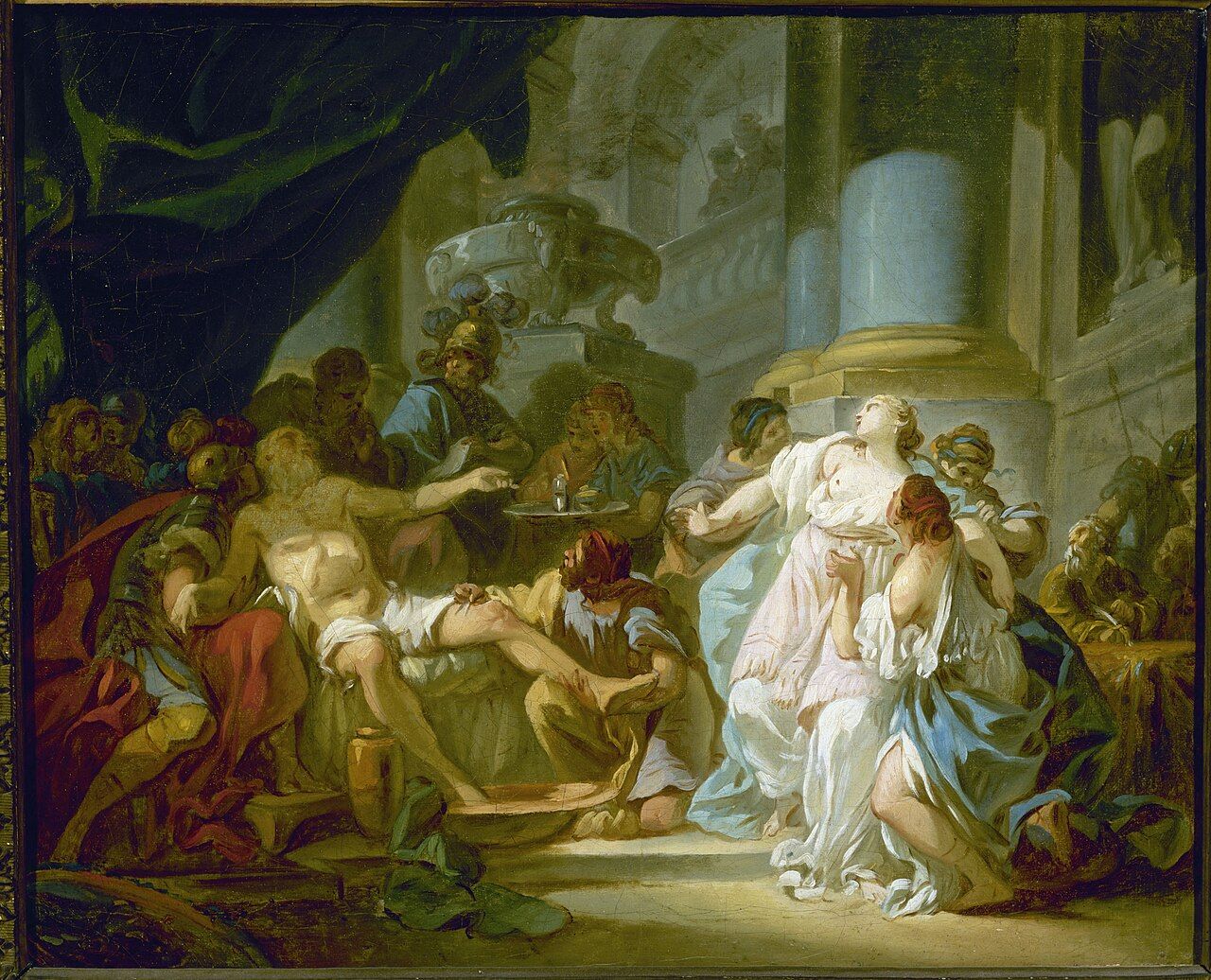
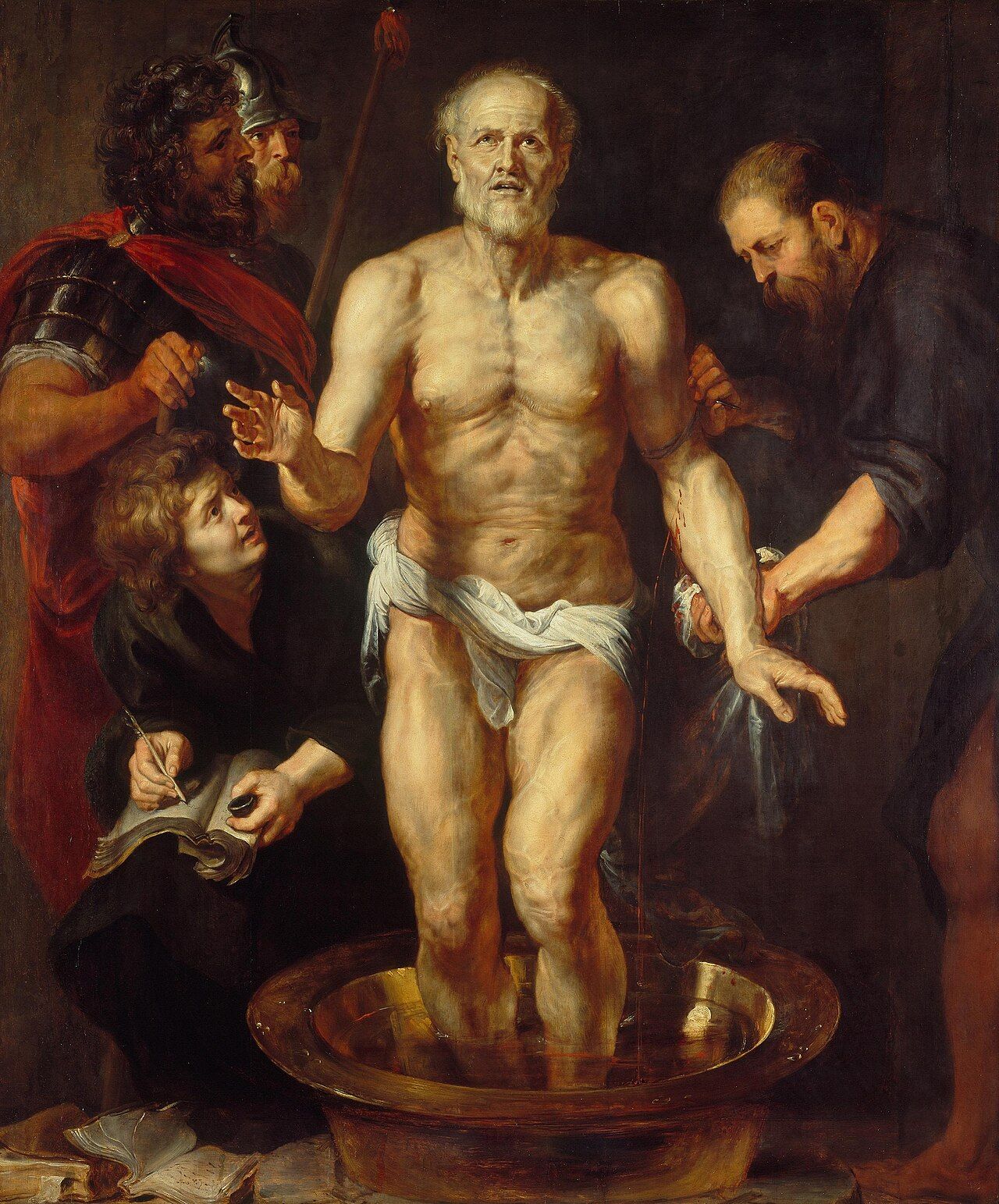
When Nero became emperor in 54, Seneca was one of his chief advisers for several years and grew enormously rich, a fact his critics never let him forget. He withdrew from public life around 62. In 65, accused of involvement in the Pisonian conspiracy, he was ordered to kill himself. Tacitus’ account of his death is in the Library (Annals 15.60–64).
His prose works, the 124 Moral Letters to Lucilius, the dialogues and On Benefits, are practical, personal and vivid, and they shaped how later Europe understood Stoicism. He also wrote tragedies and a treatise on natural science.
In the Library
Works
- Moral Letters to LuciliusEpistulae Morales ad Lucilium
- On ProvidenceDe Providentia
- On the Firmness of the Wise ManDe Constantia Sapientis
- On AngerDe Ira
- Consolation to MarciaAd Marciam de Consolatione
- On the Happy LifeDe Vita Beata
- On LeisureDe Otio
- On Peace of MindDe Tranquillitate Animi
- Consolation to PolybiusAd Polybium de Consolatione
- Consolation to HelviaAd Helviam Matrem de Consolatione
- On ClemencyDe Clementia
- On BenefitsDe Beneficiis
Ancient accounts of Seneca
In art and archaeology
Passages that mention Seneca
9 passages in 4 works, found by name in the English translations. This is a first-pass index: a few matches may be namesakes.
Annals (selection: the death of Seneca) · 5
- Tacitus, Annals 15.60 — …the tribune with complicity in the plot. Then followed the destruction of Annæus Seneca, a special joy to the emperor, not because he had convicted him of the conspiracy, but…
- Tacitus, Annals 15.61 — Seneca replied that Natalis had been sent to him and had complained to him in Piso’s name…
- Tacitus, Annals 15.62 — Seneca, quite unmoved, asked for tablets on which to inscribe his will, and, on the centurion’s…
- Tacitus, Annals 15.63 — …too had decided to die, and claimed for herself the blow of the executioner. Thereupon Seneca, not to thwart her noble ambition, from an affection too which would not leave behind…
Show 1 more
- Tacitus, Annals 15.64 — …and frame white to a degree of pallor which denoted a loss of much vital energy. Seneca meantime, as the tedious process of death still lingered on, begged Statius Annæus, whom…
On Benefits · 2
- On Benefits 4.8 — …If you were to say that you owe to Annaeus or to Lucius what you received from Seneca, you would not change your creditor, but only his name, because he remains the same man…
- On Benefits 5.18 — …tell me where I am to stop, how far I am to follow out the pedigree of the family?" Seneca. If I cultivate your land, I bestow a benefit upon you; if I extinguish your house when…
Moral Letters to Lucilius · 1
- Letters 68.10 — Then you say: “Is it retirement, Seneca, that you are recommending to me? You will soon be falling back upon the maxims of…
On Leisure · 1
- On Leisure 1 — …upon it, among which there are none of any who have returned. You will say to me, "Seneca, what are you doing? do you desert your party? I am sure that our Stoic philosophers say…